


In 1862, Daniel Swarovski was born in Bohemia to a family that owned a crystal-cutting company. Now part of the Czech Republic, the Bohemia region has a rich history of crystal crafsmanship.
In 1883, Daniel formed a jewelry company and by 1886, they had over 70 employees, and supplied jewelry for Queen Victoria.
In 1887-1891 Daniel Swarovski marries Marie Weis (his partner’s sister) and they have 3 sons: Wilhelm, Fritz and Alfred.
In 1891, Daniel registered a patent for the crystal cutting machine that he created and in 1895, moved from Bohemia to Wattens, Austria to begin crystal production.
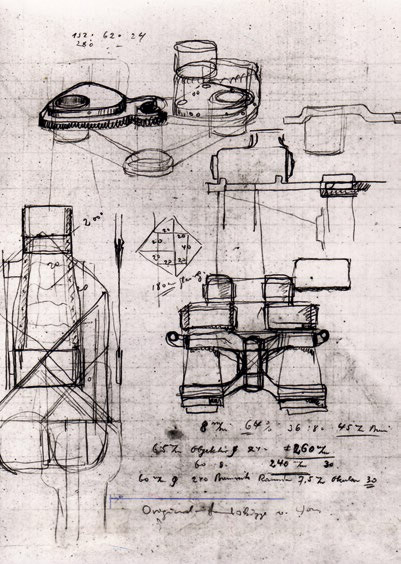
Wilhelm, Daniel Swarovski’s eldest son, had a passion for the natural sciences and loved to experiment like his father. Which led him to the idea of creating binoculars – and eventually founding Swarovski Optik in Abzam.
Daniel recognized his sons’ talent and encouraged them in every way he could. In this way Wilhelm was able to turn his fascination with chemistry into the development of his own production of glassware. However, the goal for him had not yet been reached. He wanted to continually improve quality and developed a bubble-free and streak-free glass that was very close in quality to optical glass. His persistence would later prove extremely useful in the production of optical glass.
In addition to the natural sciences, Wilhelm had another passion – astronomy. His desire to look into the distance and his interest in physics awakened in him the desire to design his own binoculars. The first sketches and homemade prototypes with self-made optical glass were made back in the 1930s. Wilhelm mastered the art of grinding prisms and lenses himself. The various grinding and polishing tests he performed in his apartment. His desire to experiment knew almost no bounds, even his wife’s silk stockings did not escape experimentation.
In 1911, Daniel Swarovski and his family built their own glassworks factory and produced premium quality glass. During the 1920’s, the “flapper” fashion trend caused a surge in demand for fashionable Swarovski designs. Shorter women’s hairstyles led Swarovski to create a crystal-embellished fabric headband, which was also used as trimming for clothing.
As people’s lives began to recover from World War II, there was a renewed demand for gemstones in Wattens, and Wilhelm thought about implementing his earlier plans. However, the company didn’t have enough space for several production units – even the abrasives production was already planned to be relocated – so Wilhelm had to look for another location. He eventually found a suitable site in Abzam. They were large rooms with garages with lots of space but little comfort. Due to a shortage of materials, it was only necessary to renovate the halls slightly. Sanitary facilities initially resembled a latrine, and an open truck was used to transport employees. Nevertheless, people were happy to have jobs. Soon after the launch of Swarovski Optik’s production facility in Abzam, the company already had 170 employees.
In this new era of change, new market needs have emerged: the demand for consumer products such as eyeglass lenses has increased dramatically. Fortunately, the same machines were used to produce optics for binoculars and lenses for eyeglasses. According to information in the trade license confirming the establishment of Swarovski Optik to “manufacture all types of optical glass, in particular lenses and eyeglass frames, as well as related components, optical devices and apparatus,” production could finally begin.
In the years following World War II, fashion became a huge trend. Popular designers such as Coco Chanel, Christian Dior and other Hollywood designers began to buy products made of Swarovski crystals. In 1956, Daniel Swarovski collaborated with Christian Dior to create the popular Aurora Borealis (AB) effect, which is still used in crystal colors today.
During this era, Hollywood designers began using Swarovski crystals en masse. Marilyn Monroe wore crystals in the movie “Gentlemen Prefer Blondes” and during her famous song at John F. Kennedy’s birthday party. Swarovski crystals were also used to make the Ruby shoes in The Wizard of Oz, and they appeared in Sabrina and Breakfast at Tiffany’s. In 1974, the company developed Hotfix technology, allowing crystals to be attached directly to clothing and fabrics without metal or plastic mandrels. In 1989, Swarovski replaced its original Edelweiss logo with the Swan logo, which is used on packaging and in Swarovski storefronts around the world.
Swarovski timeline
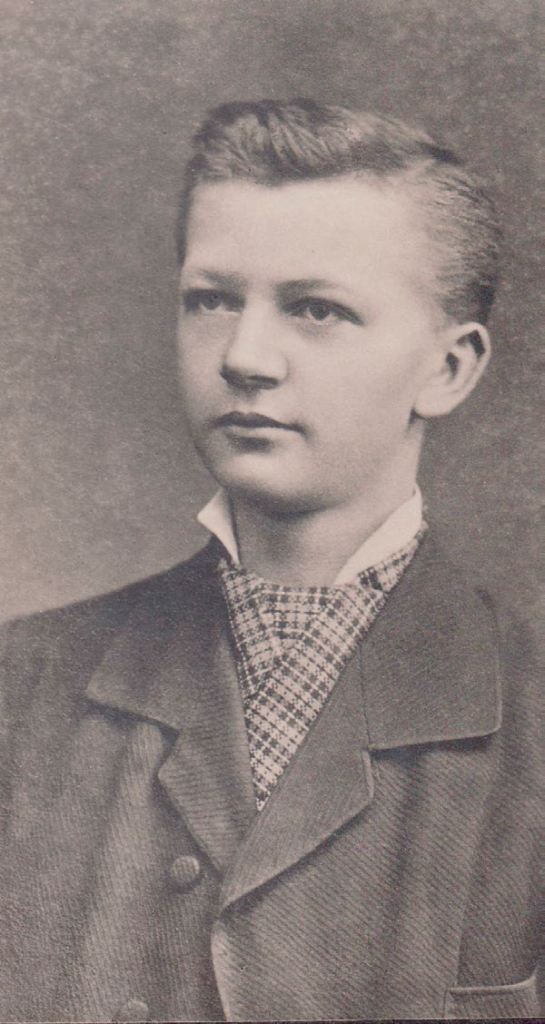
1862: Daniel Swarovski was born in Bohemia’s Georgenthal (now Czech Republic) on October 24, 1862. Bohemia was a center of glass production, and his father was a glass cutter and owned a small factory. It was there that Daniel mastered the art of glass cutting.
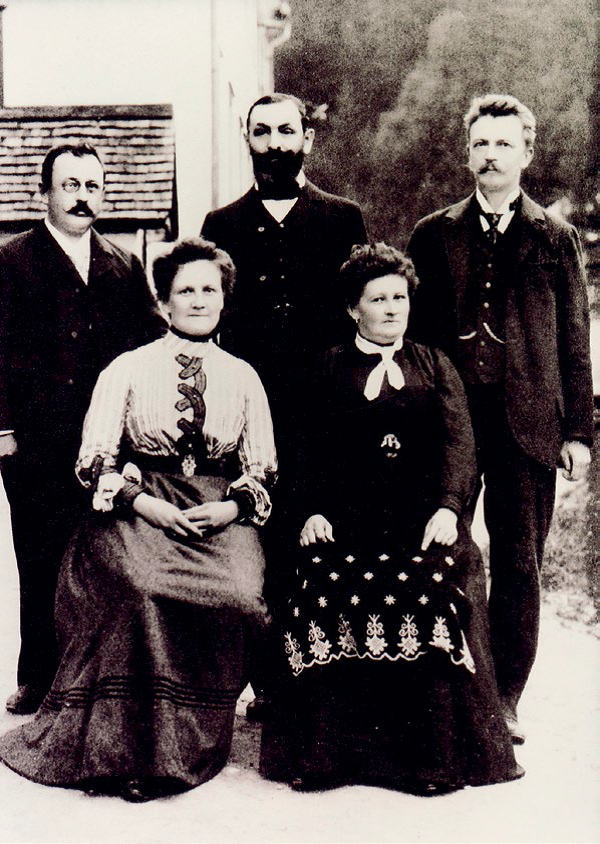
1883: Daniel Swarovski attended the first electrical exhibitions in Vienna; met the Weiss family, with whom he founded a jewelry company (A. Kosmann, Daniel Swarovski & Co., later shortened to K.S. & Co.).
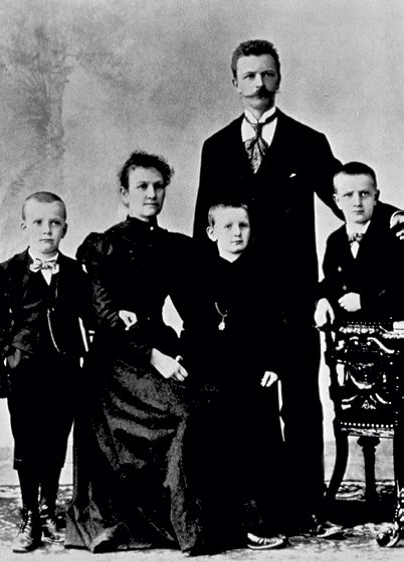
1887-1891: Daniel Swarovski marries Maria Weiss (sister of his partner) and they have 3 sons, Wilhelm, Fritz and Alfred.
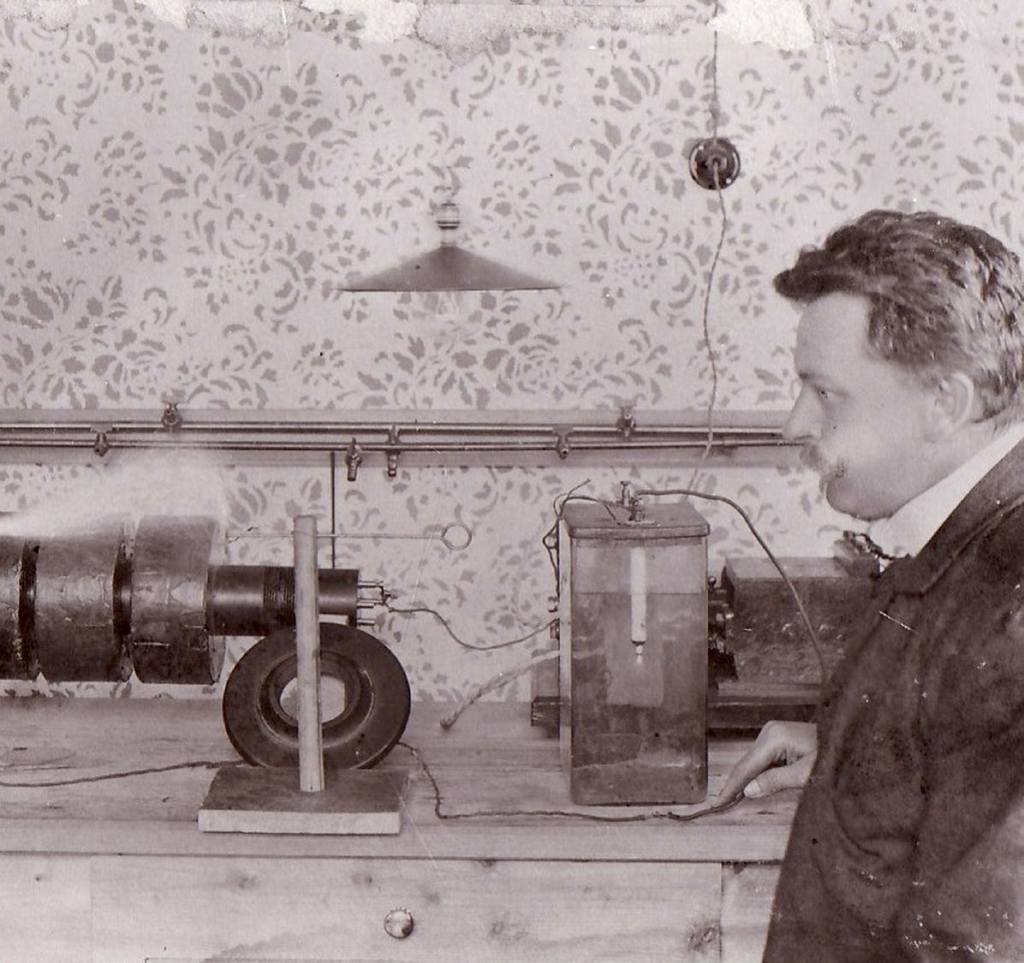
1891: Daniel Swarovski registered a patent for a machine that could cut crystal to perfection, unlike existing manual methods.
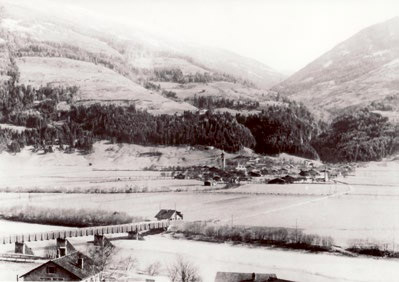
1895: Swarovski is founded in Wattens, Austria. Daniel Swarovski and his partners were looking for a new place to do business, and this small town offered advantages: distance from copycats, good transportation links to Paris, and the possibility of using hydroelectric power. They leased the Rhomberg Loden Factory (now known as Plant 2) as their first production site.
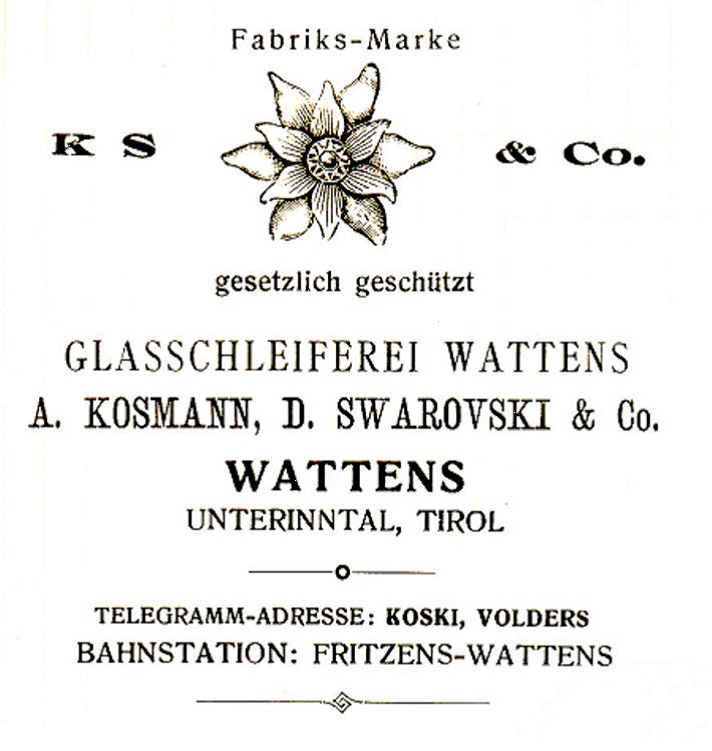
1899: Swarovski uses edelweiss as its logo. Known as a symbol of mountaineering and purity, edelweiss is one of the most beloved flowers in Austria.
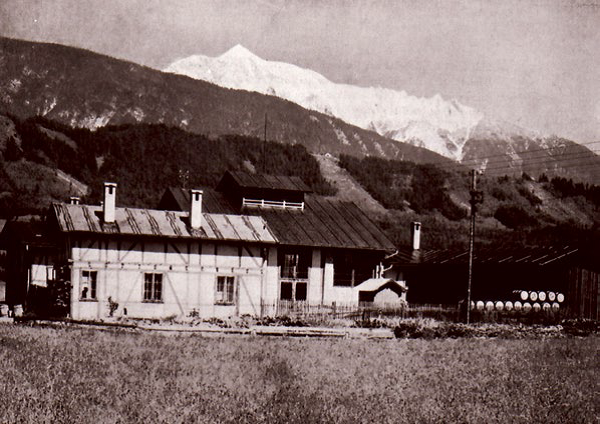
1910-1913: Swarovski builds its own glass factory. Since 1913, glass is no longer imported from Bohemia.
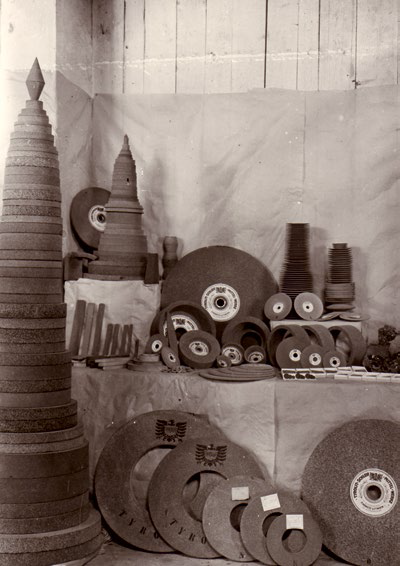
1914-1919: The outbreak of World War I: brothers Wilhelm and Fritz are conscripted into military service. Production ceases until 1915, and when it resumes, they produce Tyrolit-branded grinding disks, which were in short supply because of the war.
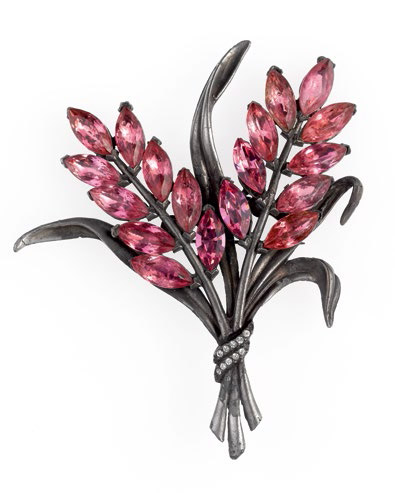
1920s: The post-war “golden twenties” allowed Swarovski crystal to be sought after in fashion and dance. Family friend Ernest Lowenstein took over distribution in the United States.
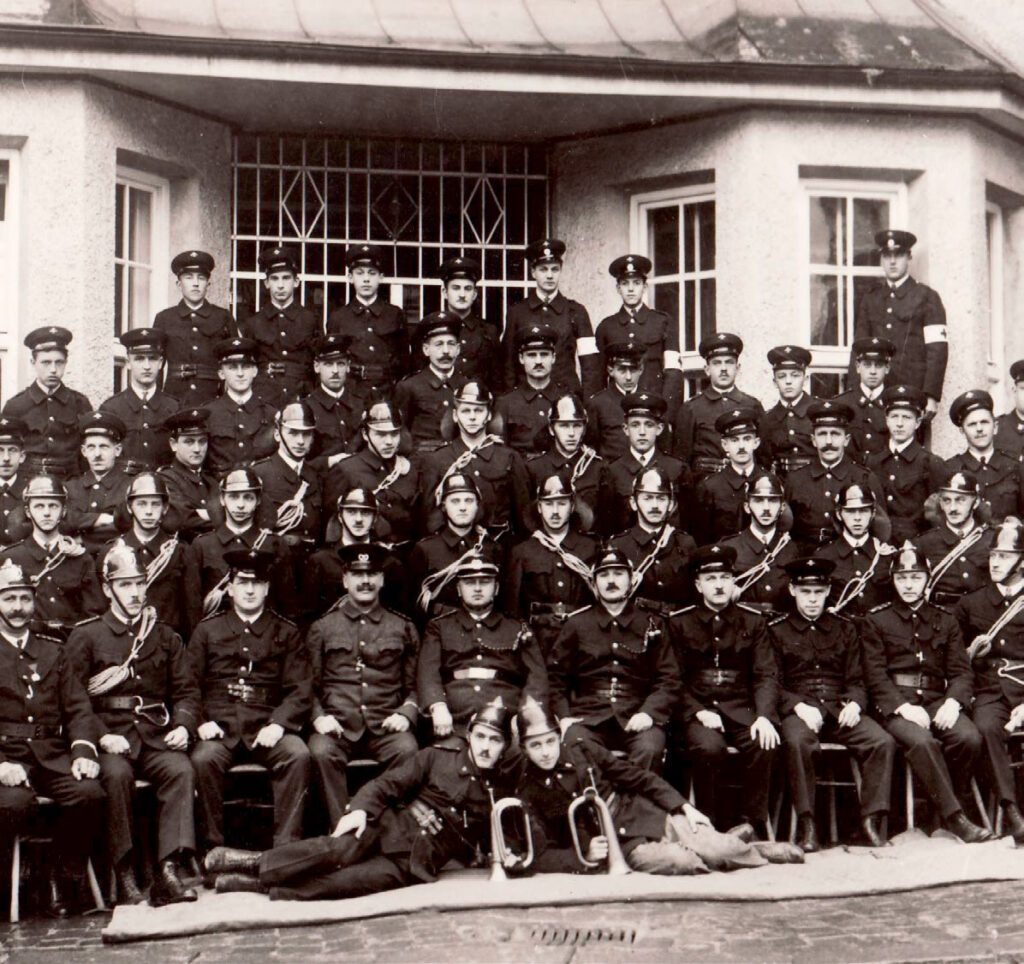
1921: Swarovski establishes its own fire department, which subsequently extinguishes 2 potentially catastrophic fires.
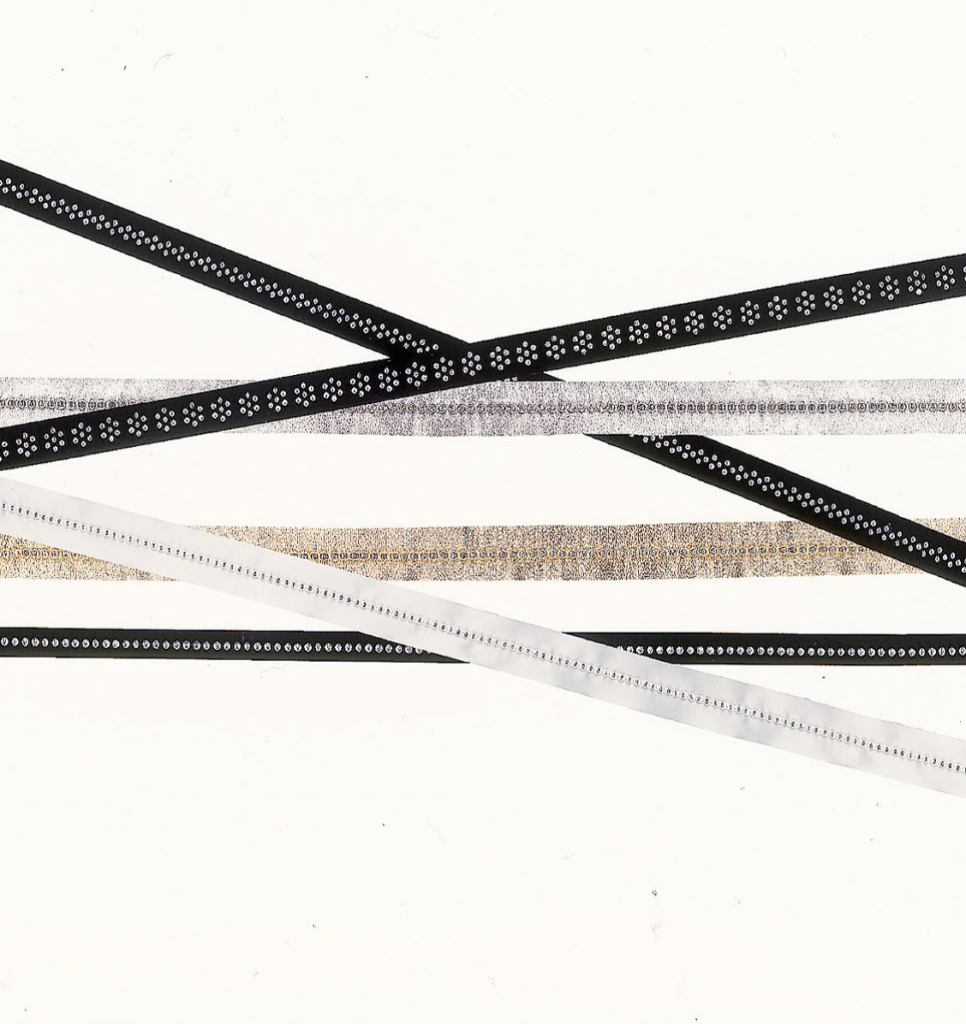
1931: Together with leading couturiers, Swarovski creates a crystal-embellished ribbon for which a patent is registered. This was done because fashionable short haircuts could not accommodate decorative combs. This later became known as “trimming”. It can be considered Swarovski’s first fashion-forward innovation.
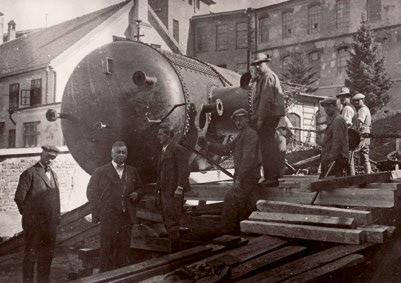
1932-1934: The Great Depression hit Swarovski hard, and during this time the factory closed completely for several short periods.
1939-1945: During World War II, production ceases again and exports are suspended. However, Ernest Lowenstein had accumulated enough stock to continue supplying jewelry to the United States throughout this time.
1949: SWAROVSKI OPTIK is officially founded.
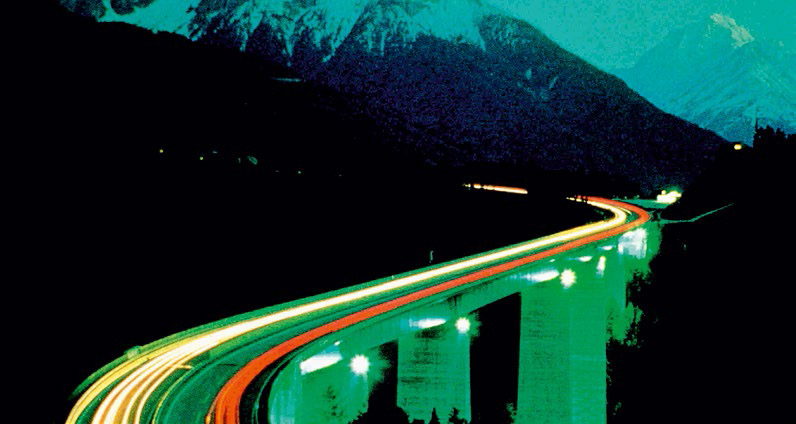
1950: Swareflex is founded, becoming a leader in the manufacture of reflectors for road safety.
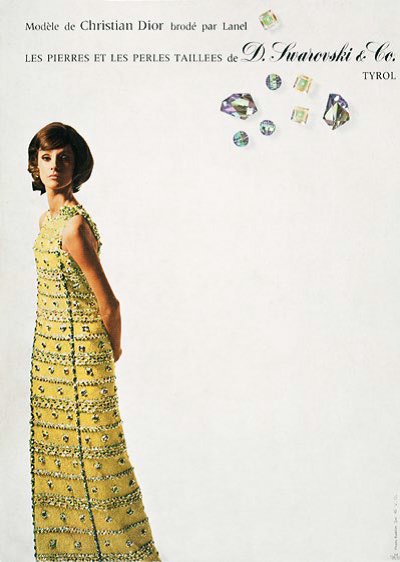
1950s: After the war, crystals were a hit with high fashion and the silver screen. This material was the inspiration for Coco Chanel and also appeared in Hollywood movies such as Gentlemen Prefer Blondes with Marilyn Monroe.
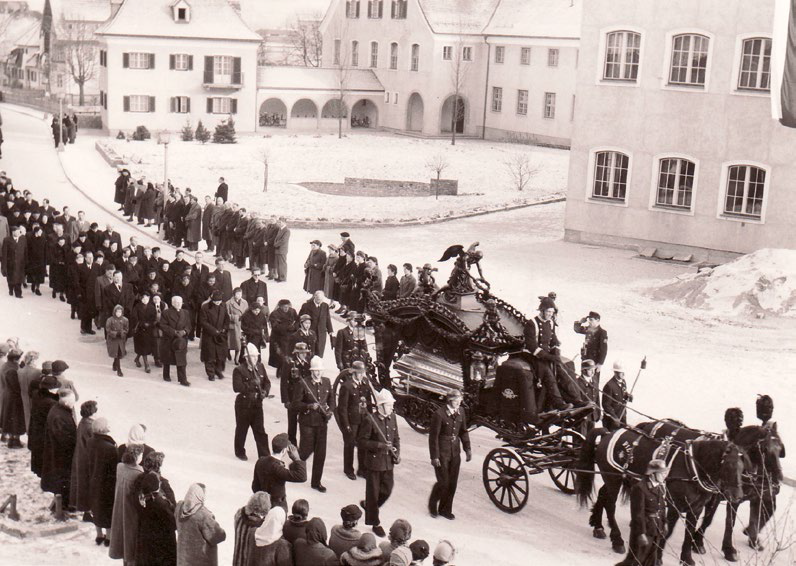
1956: On January 23, 1956, Daniel Swarovski dies at the age of 93. In the same year, the Aurora Borealis (AB) effect (named after the northern lights) was developed. Christian Dior was the first designer to use AB crystal in his collections.
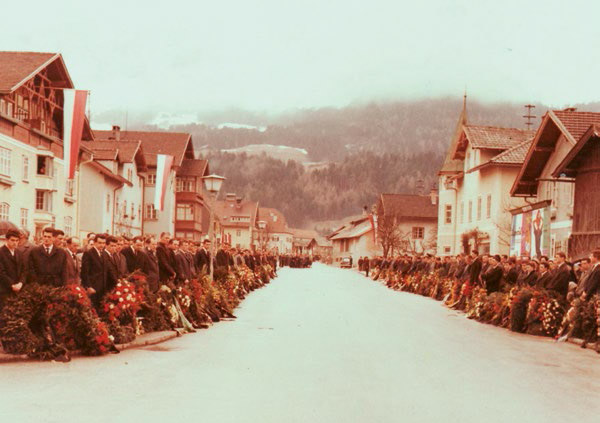
1960-1962: All three sons, Alfred, Wilhelm and Fritz, die soon after each other. The company passes into the hands of Daniel Swarovski II and Manfred Swarovski.
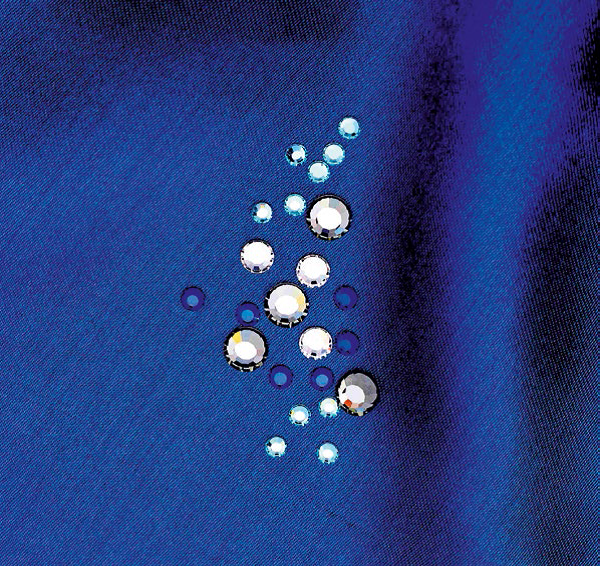
1974-1976: In 1974, hot fixation technology was developed. The crystal figurines were created as souvenirs for the XXII Olympic Winter Games in Innsbruck.
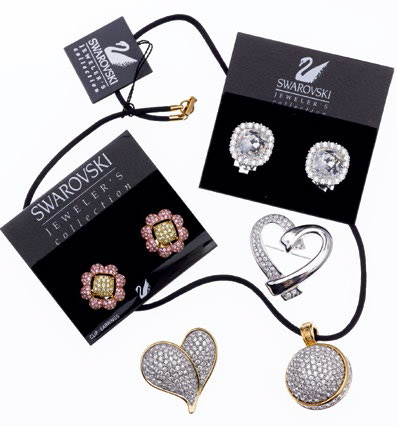
1977: The chandelier components were given their own name – STRASS™.
1987: The release of the Silver Crystal figurines sparked a boom in collecting worldwide and led to the creation of the Swarovski Crystal Society.
1989: The Swarovski logo changed from an edelweiss flower to a swan.
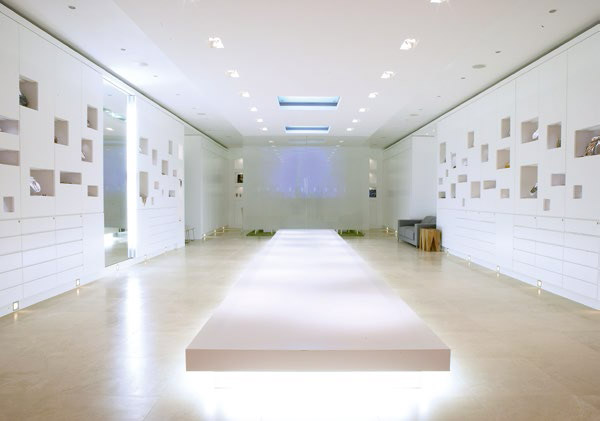
1994: Swarovski establishes the first Creative Services Center in Wattens to work more closely with designers and couture brands. Other centers around the world followed.
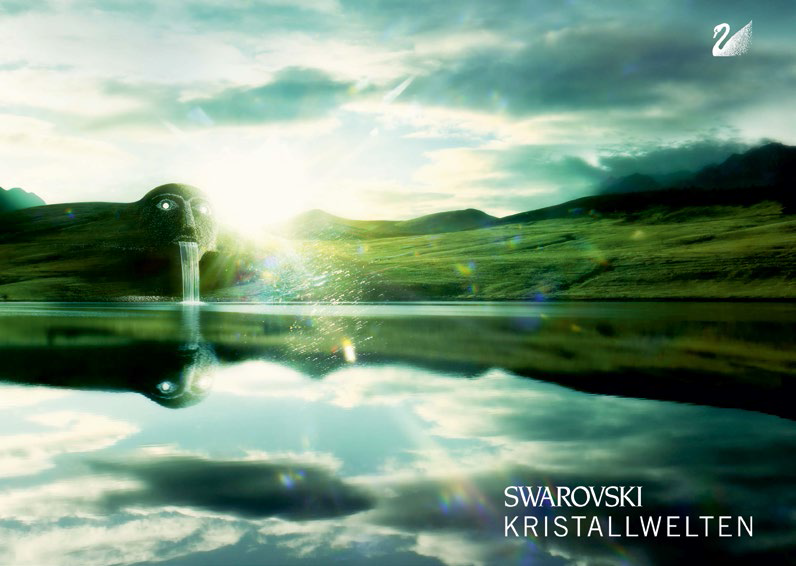
1995: Swarovski opens Swarovski Kristallwelten (ed. “Swarovski Crystal Worlds”) as a unique sparkling shopping center (designed by multimedia artist André Heller). It is still one of the main tourist attractions in Austria.
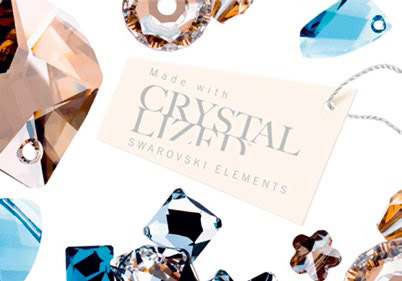
2006: The “CRYSTALLIZED™ – Swarovski Elements” series was created for crystal elements. The SIGNITY brand was also created for Swarovski semi-precious products.
2007: SCHONBEK Worldwide Lighting was purchased by Swarovski’s lighting business.
2014: Swarovski undertakes a major reorganization of the brand, transforming it from “Made with SWAROVSKI ELEMENTS” to “Crystals from Swarovski®”.
Pictures are property of Swarovski
Main photo- kitzbueheler-alpen.com