


Exciting races, roaring engines, legendary drivers and teams – that’s Formula 1. The Formula 1 World Championship is undoubtedly the most prestigious and popular motorsport event in the world. But do you know how this legendary race was born?
Origins
At the beginning of the 20th century, motorsport was still in its infancy. Automotive pioneers were pushing the boundaries of speed by racing around the world. These races were a test of skill and endurance, with drivers tackling treacherous roads and various obstacles.
One of the most famous races of that era was the 1906 Targa Florio, held in Sicily, Italy. In this gruelling endurance race, drivers had to tackle a 92-mile course through the rugged terrain of the Madoni Mountains. The turns, steep inclines and unpredictable weather conditions demanded not only speed, but also exceptional driving skills and mechanical reliability from the Targa Florio.
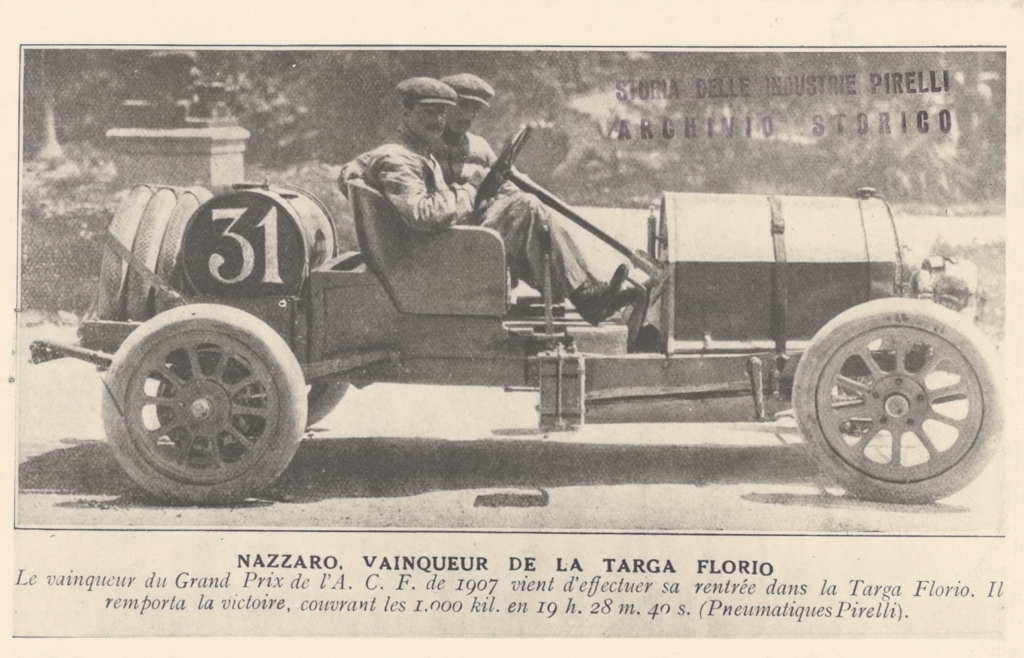
Another iconic event of the pre-Formula One era was the Indianapolis 500 race, first held in 1911. This legendary oval race in the United States brought together the best drivers from around the world to compete for the prestigious Borg-Warner Trophy.
In the 1920s, various automobile races, known as Grand Prix, were held throughout Europe. These races were chaotic and dangerous, with unregulated rules and car designs.
Formula One: The word “formula” in the name refers to a set of rules that all competitors and cars must conform to, and it was originally known as Formula A.
Plans to create a Formula One drivers’ championship were discussed in the late 1930s, but were shelved with the outbreak of World War II.
In 1946, the Fédération Internationale de l’Automobile (FIA) decided to standardise the rules of Grand Prix racing to make it safer and fairer. Thus, in 1950, the Formula One World Championship was born.
The early years
The early seasons of Formula One were characterised by the dominance of Italian teams such as Alfa Romeo and Ferrari, with legendary drivers such as Juan Manuel Fangio and Alberto Ascari.
Although there was no shortage of privateers (drivers who operated independently, buying and racing their own cars), Formula was dominated by the major pre-war manufacturers such as Alfa Romeo, Ferrari, Maserati and Mercedes Benz.
Although Giuseppe (“Nino”) Farina won the first title, the key driver in the 1950s was Juan Manuel Fangio, who won the championship in 1951, 1954, 1955, 1956 and 1957, driving for five different manufacturers.
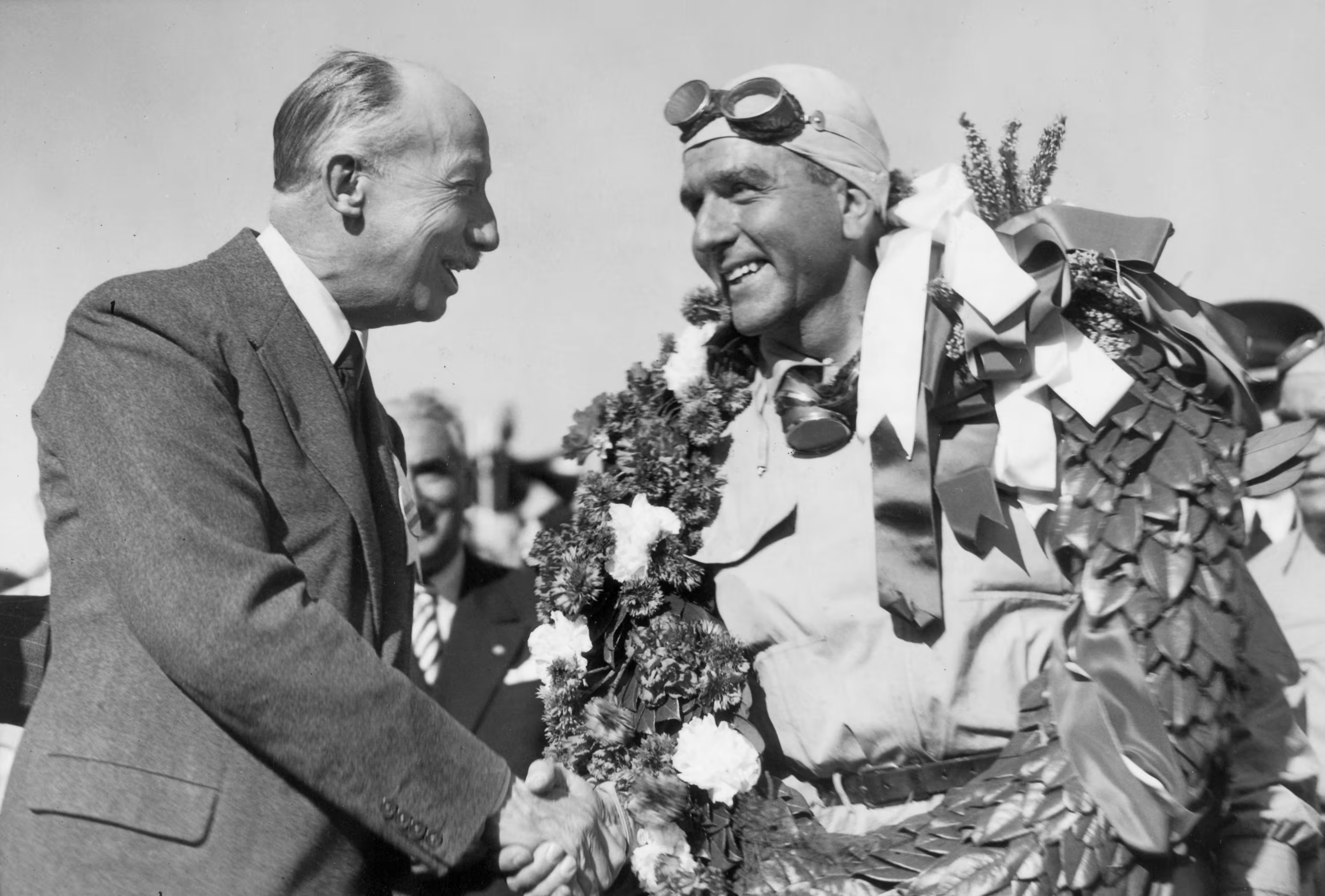
The start was not an easy one. In 1952 and 1953, due to a shortage of competitors, the authorities ran races under Formula 2 regulations, and in both years the championship was won by Alberto Ascari. Of the 20 brands that raced in 1950, most were soon forced out due to cost. Only Ferrari has raced since then. The number of racing fatalities was horrific, with 13 drivers killed in F1 cars in the first decade.
Over time, the cars made significant technological progress. The first seasons were run in pre-war cars such as the Alfa 158. They were front-engined, with narrow tyres and 1.5-litre supercharged engines or 4.5-litre normally aspirated engines. After the return of Formula One regulations in 1954, engine displacement was limited to 2.5 litres. Mercedes Benz made major developments until they withdrew from all motor sports in the aftermath of the 1955 disaster at Le Mans.
In the late 1950s Cooper introduced a rear-engined car, and by 1961 all manufacturers were producing such cars.
The 1950s also saw the birth of legendary British teams such as Vanwall and Lotus, which challenged Italian dominance.
An era of change
The 1960s marked an era of change in Formula One. New technology emerged, making the cars faster but also more dangerous. This period also saw the emergence of legends such as Jim Clark, Jackie Stewart and Graham Hill.
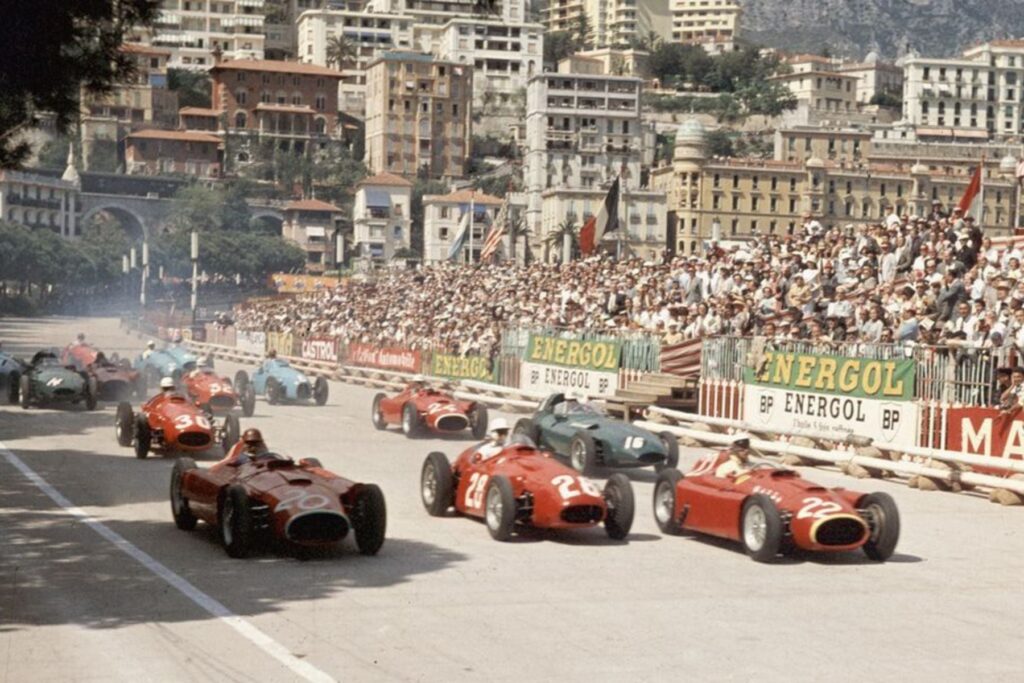
The 1950s and 1960s were a period of rapid development for Formula One. The sport’s first heroes, such as Alberto Ascari, Juan Manuel Fangio and Stirling Moss, demonstrated their skills at the wheel of elegant cigar-shaped cars. Teams such as Ferrari, Mercedes and Lotus pushed the boundaries of engineering with innovations such as disc brakes and unibody chassis.
Racing legends such as Jim Clark and Graham Hill emerged as the sport expanded beyond its European homeland. One of the defining moments of this era was the rivalry between Ferrari and Ford, immortalised in the film ‘Ford vs Ferrari’. This battle for supremacy in the 24 Hours of Le Mans race demonstrated the sheer determination of the teams and drivers, forcing them to test the limits of endurance.
The 1970s and 1980s: the heyday of technology and rivalry
The 1970s and 1980s were the golden age of Formula 1. Legends such as Niki Lauda, James Hunt, Alain Prost, Nelson Piquet and Ayrton Senna shone during this period.
By the early 1970s, the days of privateer racing were all but over as the cost of racing skyrocketed. The 1970s brought the advent of turbocharged engines, which brought even more power and speed to the sport. Rivalry between teams and drivers became more fierce.
The cars were getting faster and faster – Lotus were innovating again, introducing ground-effects technology that provided huge downforce and significantly increased cornering speed. But safety was still a concern.
This era also saw the emergence of charismatic personalities such as Niki Lauda, James Hunt and the enigmatic Gilles Villeneuve, who captured the hearts of fans around the world.
Niki Lauda and James Hunt captured the imagination of the world with their fierce rivalry, culminating in the dramatic 1976 season, with James Hunt leading the way in the pouring rain – he finished third, scoring the points needed to win the 1976 World Championship. Hunt’s main rival, Niki Lauda, withdrew after two laps for safety reasons. This event is depicted in the 2013 film ‘Rush’.
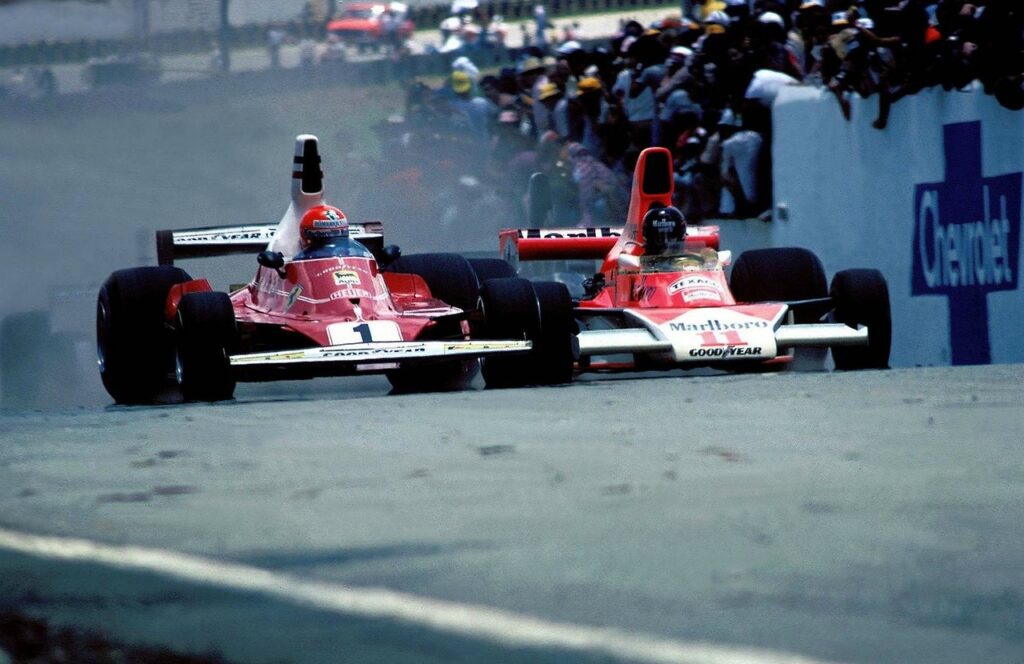
The 1980s saw the era of the ‘turbo titans’, with teams such as McLaren and Williams dominating the arena. The unforgettable battles between Alain Prost and Ayrton Senna, often overshadowed by their bitter rivalry, demonstrated the sport’s ever-increasing technical sophistication and global reach.
Restrictions were imposed to combat the cars’ phenomenal power, and eventually turbochargers were banned altogether in 1989. Electronic driver assistance systems began to appear in the 1980s, and by the early 1990s, semi-automatic gearboxes and traction control were introduced.
The 1990s and 2000s: new heroes
The 1990s and 2000s saw the emergence of new heroes and the dominance of teams such as Ferrari, McLaren and Red Bull. Legends such as Michael Schumacher, Mika Häkkinen, Fernando Alonso and Sebastian Vettel shone during this time.
McLaren and Williams continued to “rule the ball” in the 1990s. In total, McLaren won 16 championships during this period (seven constructors’ championships, nine drivers’), while Williams equalled them by winning 16 titles (nine constructors’, seven drivers’).
However, the 1990s were marred by tragedy. The sport mourned the death of its brightest star, Ayrton Senna, in a tragic crash at Imola in 1994, reminding the world of the dangers inherent in the pursuit of speed. His death was a turning point as it led to a significant improvement in safety standards – no driver has died behind the wheel of a Formula One car since. The FIA introduced measures to slow cars down and make them safer.
At the same time, the sport saw the emergence of new talents such as Michael Schumacher and Mika Häkkinen, as well as the resurgence of Ferrari as a dominant force. At this time technology was advancing at a rapid pace, leading to more powerful and faster cars.
Modern Formula 1
Today, Formula One is a global sporting phenomenon with millions of fans around the world.
As Formula One has evolved, there has been an increasing focus on safety. The tragic crashes of the early years led to significant changes in safety standards. Today, drivers are protected by stringent safety measures such as reinforced cockpits, fire-resistant materials and advanced restraint systems. One of the most significant safety improvements in recent years has been the introduction of the Halo device. This cab protection system consists of a curved bar that surrounds the driver’s head, providing additional protection in the event of an accident. The Halo system has saved lives and prevented serious injuries in several high-profile incidents.
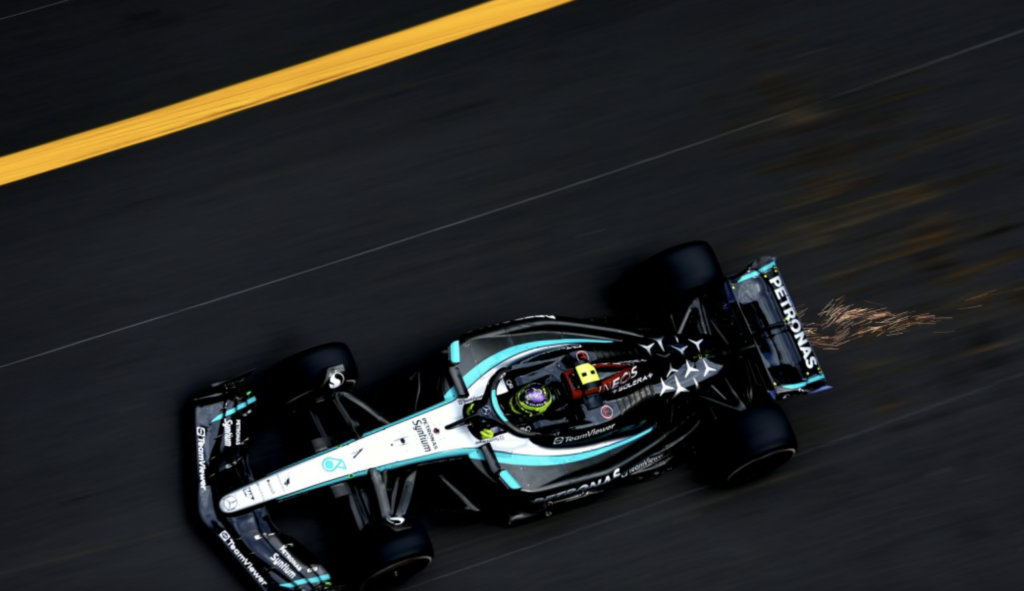
In addition, the design of the cars themselves has undergone significant changes in terms of safety. The chassis is made of carbon fibre, a material known for its strength and ability to absorb energy in an impact. This provides protection for the driver in the event of a collision. Fire-resistant materials are also used throughout the car to minimise the risk of injury from fire. Fuel tanks are designed to withstand impact and prevent leakage, reducing the likelihood of fire. Advanced safety systems such as six-point seatbelts keep the driver securely in place during high-speed manoeuvres, minimising the risk of injury.
These safety advances have significantly reduced the risk of fatal crashes and made sport safer for all involved.
Formula 1 is a team effort
Formula One teams are the lifeblood of the sport, shaping its future through innovation, competition and a unique combination of engineering expertise and driver talent.
Formula One teams are the heart and soul of the sport, responsible for designing, building and racing the high-performance cars that compete in the FIA Formula One World Championship. These teams play a crucial role in the development and success of Formula One. Formula One teams must adhere to strict technical and financial regulations, including budget restrictions introduced in recent years to ensure a level playing field and the long-term sustainability of the sport.
Formula One is not just a sport, it is a thrilling spectacle that combines speed, skill, technology and drama. Formula One remains the pinnacle of motorsport.
Main photo: Charles Leclerc of Monaco driving the (16) Ferrari SF-24 on track during practice ahead of the F1 Grand Prix of Monaco at Circuit de Monaco on May 24, 2024 in Monte-Carlo, Monaco. Photo by Rudy Carezzevoli/Getty Images.