


We all love the occasional glass of sparkling wine. It doesn’t matter whether it’s for a wedding, a date, a promotional event or just to enjoy ourselves on a Friday night. But how was champagne invented?
Important to know!: Not every sparkling wine can be called champagne! Only wine from Champagne can be called Champagne, a rule enshrined in 1891.
The champagne was opened by mistake
As early as the first century, the Romans were growing vines and producing wine in what was then Northern Gaul and is now the Champagne region. By the 9th century, Champagne’s association with the coronation of French kings at Reims Cathedral made the regional wine popular throughout France. By the 13th century, Champagne was being sold to English, Spanish and Italian merchants. Soon its popularity spread to European markets.
Although the winemakers of Champagne were quite adept at producing quality wine, the region was well known for suffering from very cold winters. When the temperature reached zero, it stopped the fermentation process. And in the summer, when the temperature rose again, a secondary fermentation took place inside the bottle. This caused carbon dioxide bubbles to form in the wine, creating the fizzy texture we now associate with champagne. The strong increase in pressure due to the gas bubbles sometimes caused wine bottles to explode, causing Champagne to be nicknamed “le vin du diable” or “the devil’s wine”.
Although local winemakers considered sparkling wine to be of poor quality, preserved sparkling wine was seen as a fun novelty and became more popular among members of the French royal family in the late 17th century. This eventually led to the creation of the Champagne houses we know and love today.
Dom Pérignon is the father of champagne.
Dom Perignon is a name that is synonymous with Champagne. The French monk and cellar master is often credited with the invention of sparkling wine. Legend has it that back in 1693, upon first tasting (technically) tainted sparkling wine for the first time, he exclaimed: “Come quickly, I’m tasting the stars!” – and set himself the goal of finding a way to bottle the fine fizzy wine.
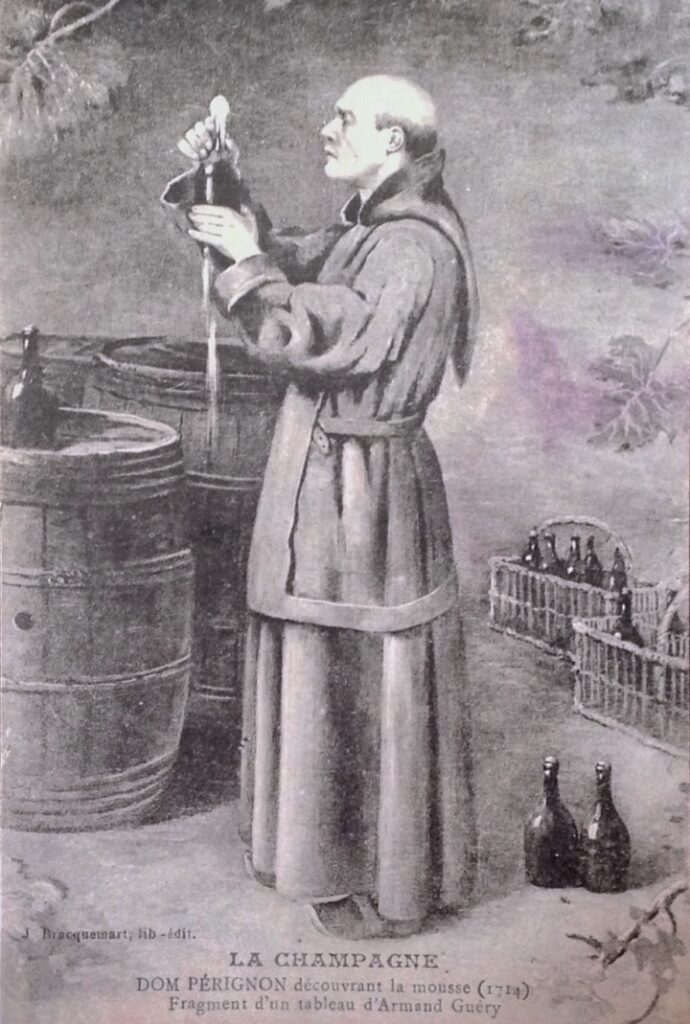
Despite the romanticism of this story, it is almost certainly untrue. It is believed to be an embellished marketing campaign launched in the 1800s to increase the prestige of Abbey of Saint-Vanne wine. Most historians believe that Dom Perignon actually spent a lot of time trying to remove what he thought were defective bubbles.
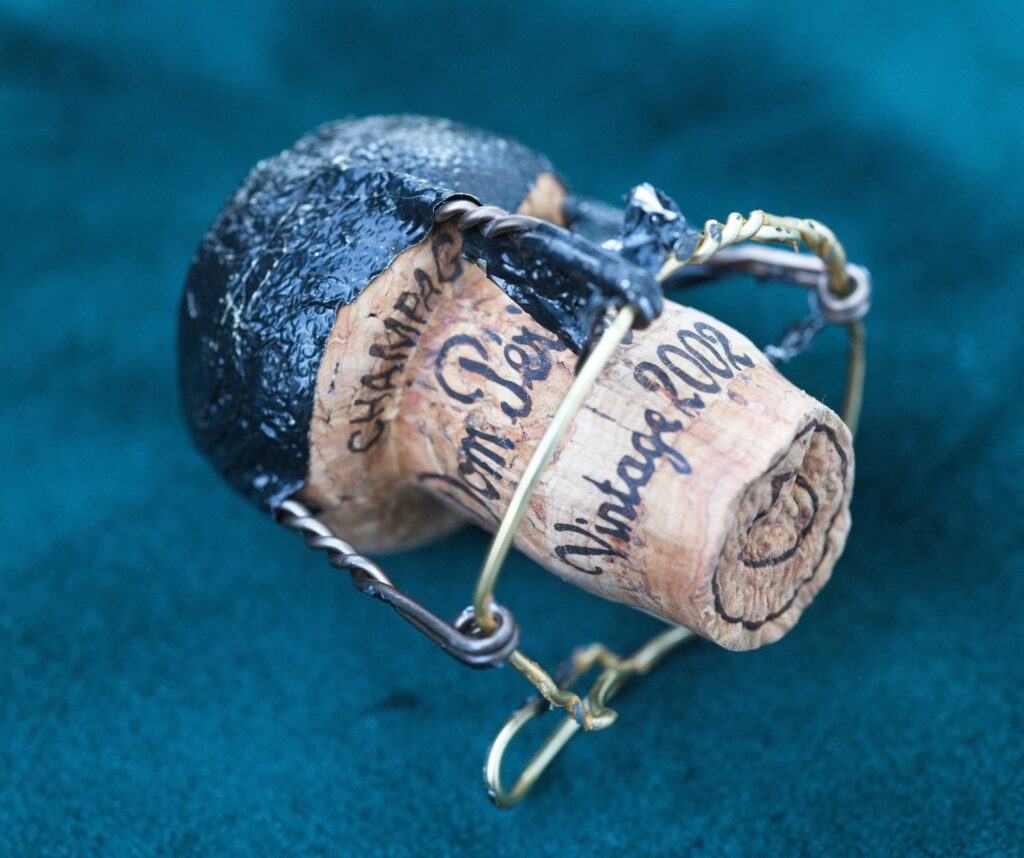
Nevertheless, Dom Perignon pioneered many important technologies that are still used in the production of champagne:
- He first made champagne from black grapes, including pinot noir, the main grape varieties still used today.
- He developed the traditional second fermentation process, or champenoise method.
- He pioneered the use of hemp corks to prevent wine bottles from exploding. A wire mesh, the muselet, was later added by French inventor Adolphe Jacquesson to seal the bottles more securely.
Christopher Merrett
The legend of Dom Perignon is widespread, but few people know that sparkling wine was invented by an Englishman 30 years earlier.
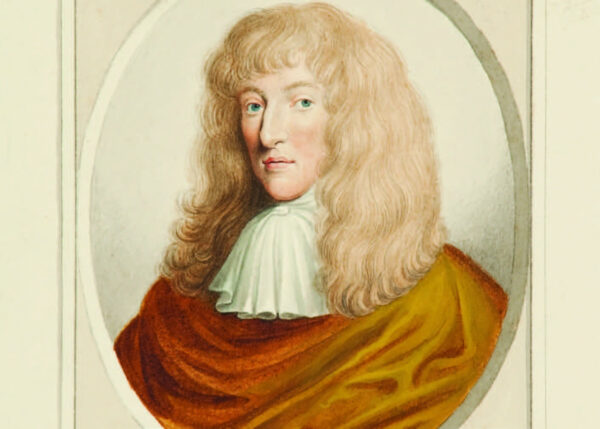
In 1662, Christopher Merrett, a scientist, physician and metallurgist, presented a paper to the British Royal Society. This paper was the first official document explaining the process of making carbonated wine. Merrett described an English wine that was fortified with sugar and molasses, which created a lovely sparkling texture.
This sparkling English wine was seen as a triumph, and the English sought to deliberately produce and bottle it. Because the British used much heavier and stronger wine bottles, they were able to prevent explosions and were much more successful in storing sparkling wine.
How did champagne become popular?
Although winemakers initially considered champagne to be of poor quality, preserved bottles of sparkling wine became something of a popular novelty among members of the French Royal family. French King Hugo Capet was known to serve champagne at formal royal dinners at his palace. By the early 18th century, the Duke of Orleans had made it the favorite drink of the French elite.
As its popularity grew, new Champagne houses were created to meet the demand for fine sparkling wines. Ruinart was the first to open its cellar doors in 1729, and Taittinger (formerly Forrest Fourneaux) followed in 1734. Soon after, Moet opened in 1743, followed by Lanson (formerly Delemotte) in 1760, Louis Roederer (formerly Dubois Père & Fils) in 1770, Veuve Clicquot in 1772, and Heidsieck in 1785.
Since the days of the first Champagne houses, the appeal of sparkling wine has continued to grow, and it is now an extremely popular drink around the world. Its association with royalty and high society continues to this day, and Champagne is still a drink synonymous with luxury, opulence and celebration. Champagne brands sponsor many famous international events such as Wimbledon, Formula 1, BAFTA and Royal Ascot.
From the beginning of the nineteenth century to the beginning of the twentieth century, Champagne jumped from a production mark of 300,000 to 25 million bottles!
Screensaver photo: Renato Marques on Unsplash