


The shape and size of a wine glass play an important role in bringing out its aroma and flavor. The right glass allows you to enjoy all the nuances of the wine, while the wrong one can distort its flavor characteristics.
Red wine glasses
Typically, red wine glasses are characterized by full, round bowls and large rim diameters. All of these characteristics contribute to better aeration of the wine, extracting its aromas and flavors so you can better perceive them, while smoothing out the harsh tannins that are present.
In 2015, the Royal Society of Chemistry’s journal Analyst published the results of a study by scientists from Japan who found that the shape and thickness of the glass influenced the aromas, taste and texture of wine. Scientific evidence proves it, but somistas and discerning red wine drinkers can attest that the right wine glass matters. The wide bowls of red wine glasses are perfect for swirling, aerating, and smoothing out rough edges like a decanter. This helps to soften the beautiful fruit, floral and mineral aromas and flavors, creating a balanced, enjoyable wine tasting experience.
There are two main types of red wine glasses – Burgundy and Bordeaux.
Bordeaux glass
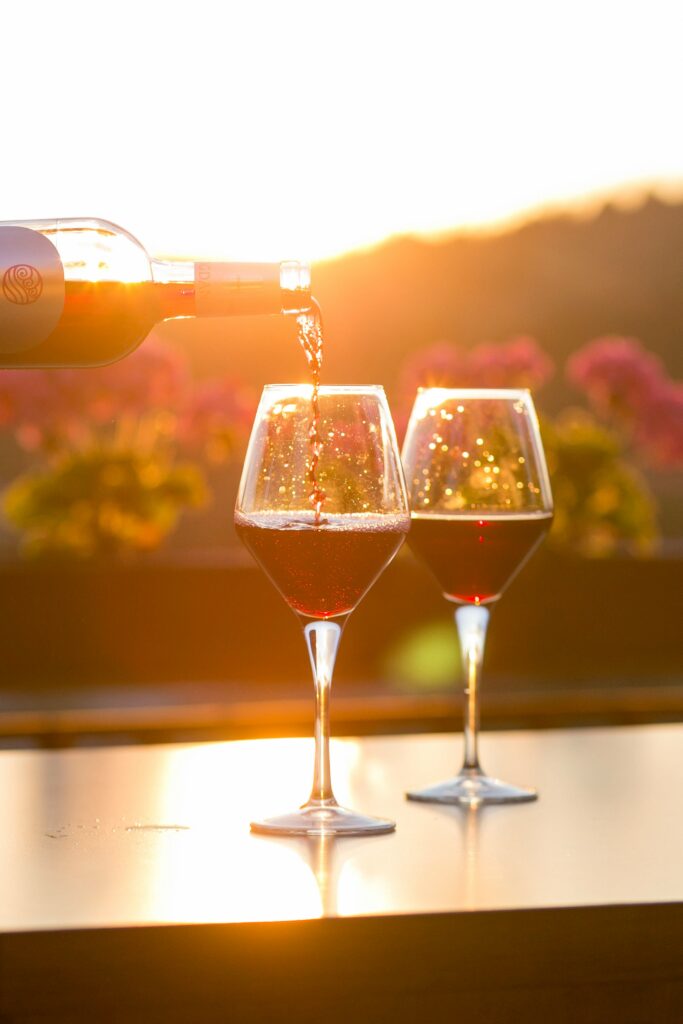
This is a classic red wine glass with a wide bowl and tapered rim. The Bordeaux glass is ideal for full-bodied, complex red wines with high tannin content: Cabernet, Merlot, Zinfandel, Carménère, Cabernet Franc.
A tall and wide Bordeaux glass provides ample bowl space, emphasizing the fruity notes of the wine and smoothing out the rough nuances and bitter qualities of wines with high tannins, helping them achieve a beautiful balance.
Burgundy glass
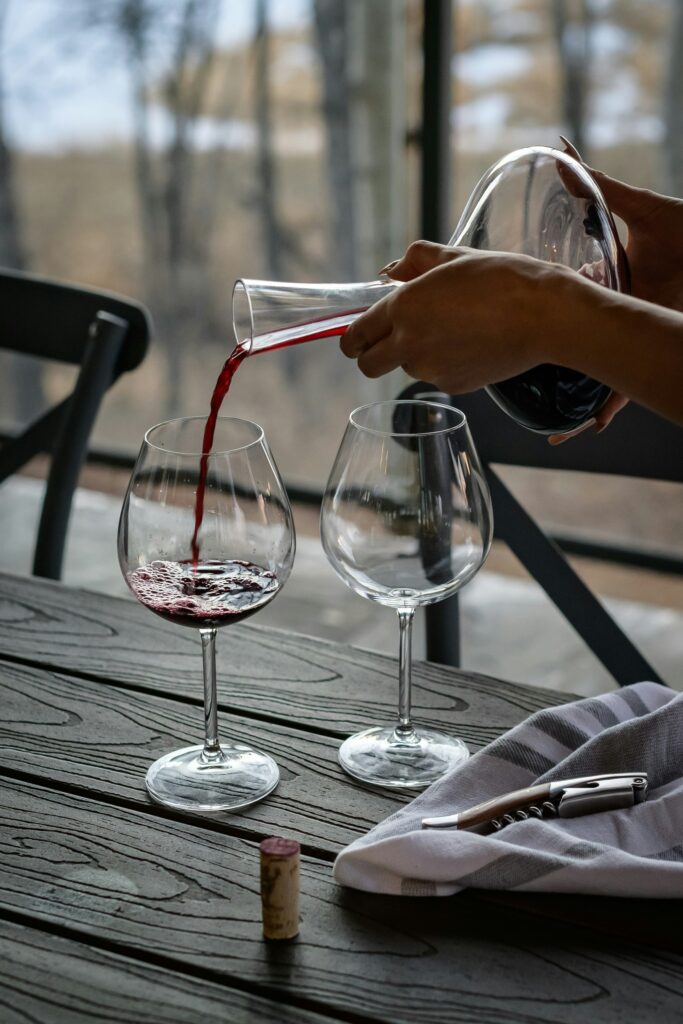
A glass with a more rounded bowl than the Bordeaux glass. Pinot Noir/Burgundy glasses are perfect for light reds (e.g. Gamay, Barbaresco), but you might be surprised to learn that they are also great for rosé and Chardonnay. The very wide bowl and slightly tapered rim of the Burgundy glass soften the acidity and tannins. This allows sufficient aeration to ensure that the subtlety and delicate floral aromas of Pinot Noir are revealed in their full glory.
White wine glasses

With their short bowl and long stem, these glasses are perfect for capturing the bright acidity of refreshing white wines. Their walls are less curved than red wine glasses and have a narrower opening – ideal for chilling varieties such as Clairette Blanche, Sauvignon Blanc and Riesling. Red wines need space to breathe. White wines don’t need as much space as red wines. So these glasses help convey subtle flavors quickly and efficiently.
However, keep in mind that there are also specialty glasses designed for full-bodied white wines and those best suited for high-acid wines.
Glasses for dessert wines and port wine
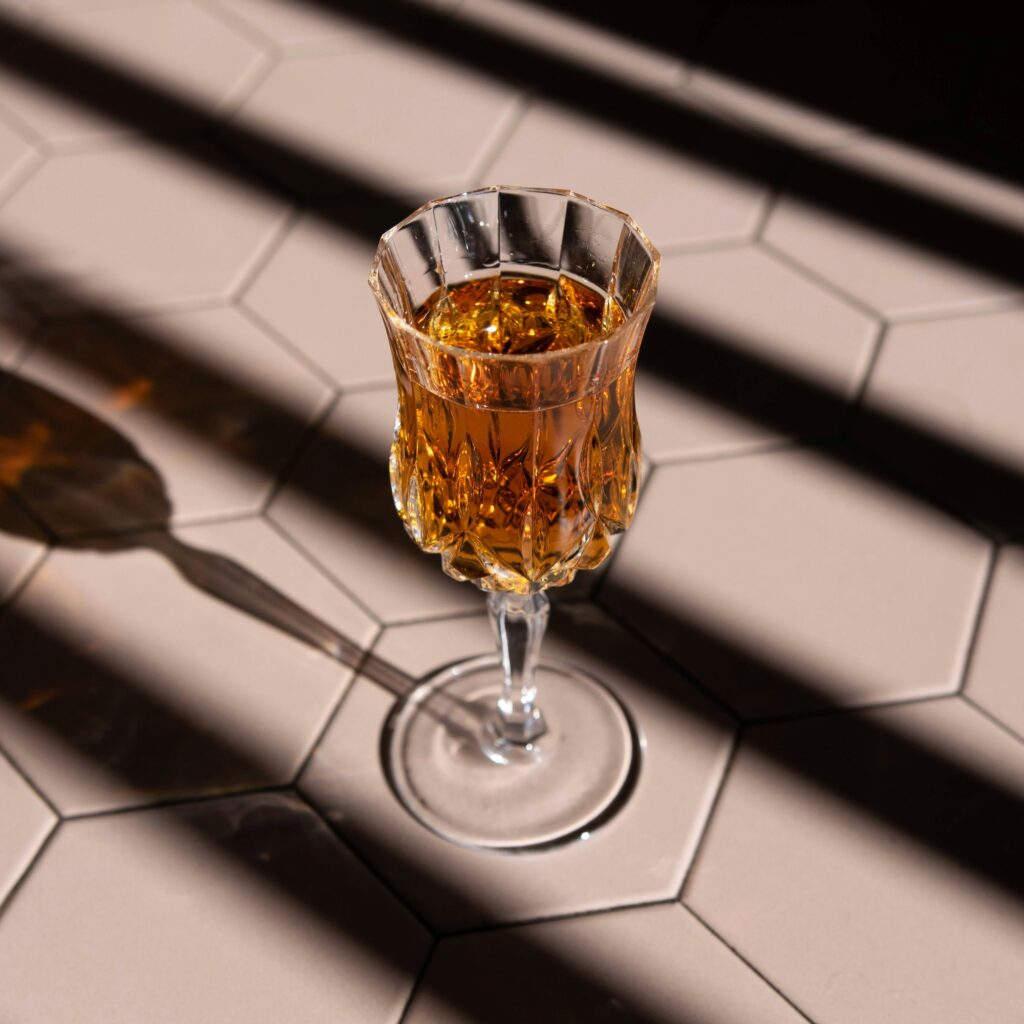
No matter what kind of digestif you’re drinking, having the right glassware on hand is sure to enhance your experience with it. Dessert wine glasses come in many shapes and sizes, but they tend to be much smaller than standard glasses, as these high-alcohol wines are most often served in two-ounce glasses.
Sparkling wine and champagne glasses

The tulip, a long, slender and delicate traditional champagne glass, is a visual cue that it’s time to celebrate. With their small footprint, streamlined straight lines, and sturdy base, these glasses help keep bubbles rising in Champagne, Sekt, Cava, and other sparkling wines. Since the 1700s, this design has helped keep the bubbles at the base of the glass, allowing you to continuously sip your favorite beverage.
I wrote more about the types of champagne glasses here.
Tips for choosing wine glasses
- Choose glasses made of thin glass. This will allow you to better see the color of the wine and appreciate its aroma.
- Avoid glasses with engraved or colored glass. This can distort the flavor of the wine.
- Make sure the glasses are well washed and dried before use.
While it’s best to use glassware designed for a specific varietal, most sommeliers would agree: if in doubt, opt for a universal wine glass.
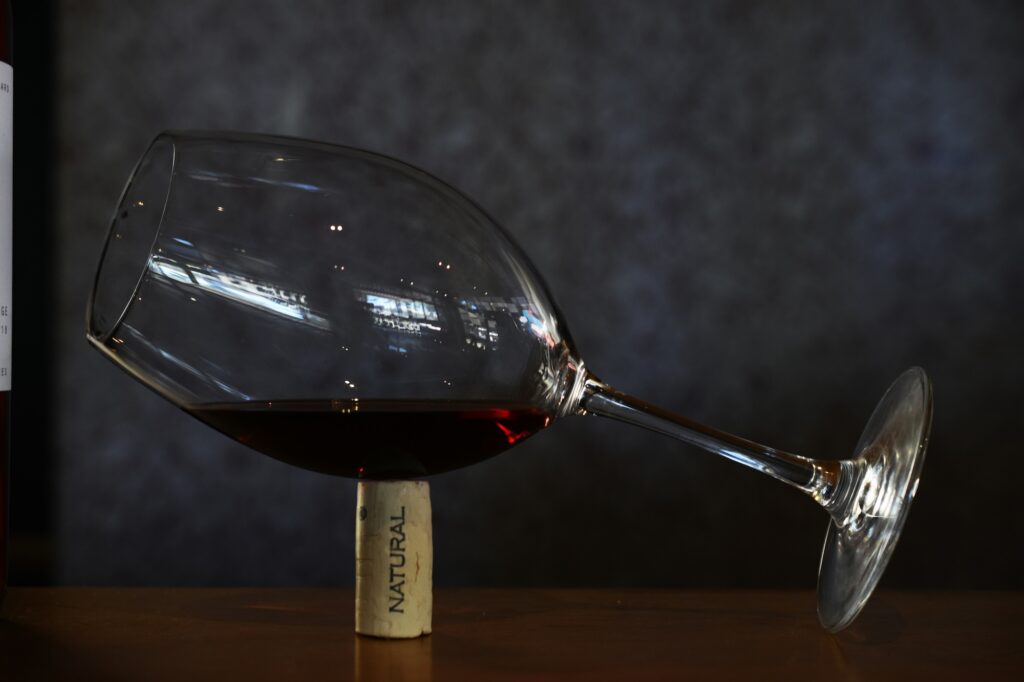
Choosing the right wine glasses can greatly enhance your wine tasting experience. Use this article as a starting point to find glasses that are perfect for your favorite wines.
Main photo by Kym Ellis on Unsplash