


The yacht owned by the Gucci family is the largest wooden sailing yacht in the world and one of the most beautiful classic sailing yachts.
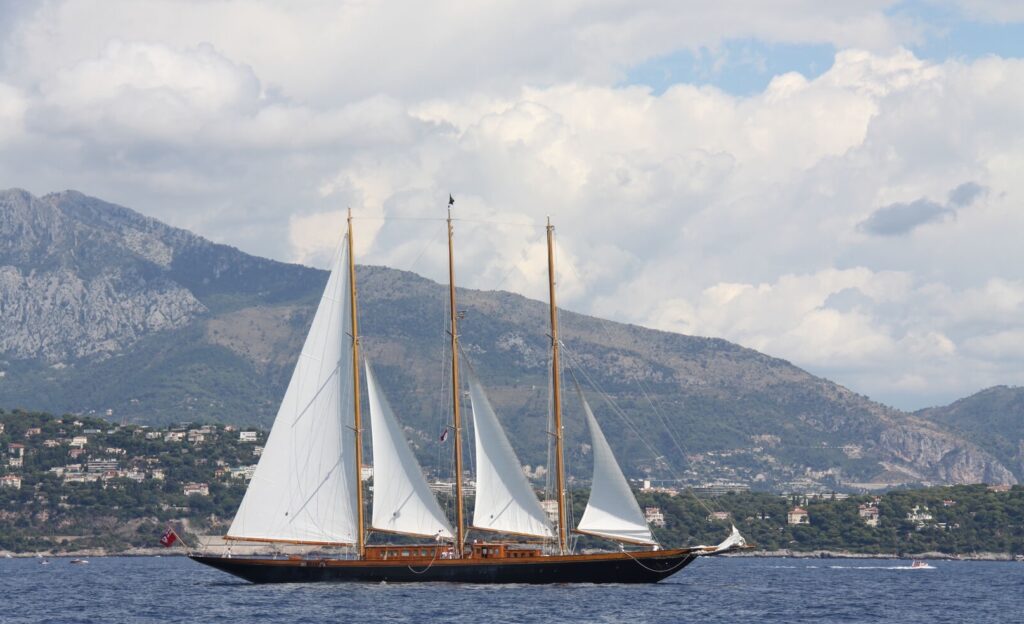
The yacht has been owned by the Gucci family since Maurizio Gucci bought the weathered three-masted schooner in 1983, two years after the birth of his daughter, Allegra.
However, over the almost one hundred years of her ‘life’, Creole has ‘survived’ many difficult moments and changed several owners.
Creole’s hard fate
Launched in 1927, the yacht is the brilliant work of Charles E. Nicholson, the great naval architect of Camper & Nicholsons.
The story of Creole began when Manhattan playboy Alexander Smith Cochran, ‘New York’s richest bachelor,’ commissioned a ship with the intention of circumnavigating the globe. However, as only a few people knew, Cochran was suffering from tuberculosis.
When Cochrane first saw his new ship, which he named ‘Vira’, he was frightened and ordered 10 feet (just over 3 metres) to be cut down from the masts. Then another 10 feet. Cochrane ‘begged me to agree to cut a third 10 feet,’ recalled naval architect Nicholson. ‘I had to conclude that his ill-health had lowered his nerve.’ In the end, Vira lost her original appearance and began to look like a low-masted motor sailboat.
During Cochrane’s first voyage to Europe, the ‘shortened’ vessel, now carrying tonnes of extra ballast, was unmanageable and lurching badly. In addition, the owner could not walk from stern to bow without coughing episodes. During what was supposed to be a ‘dream cruise’, Vira swept across France’s Bay of Biscay, ‘experiencing discomfort and lurching’. The yacht’s owner wrote about this in his logbook.
After this journey, a sick Cochrane put Vira up for sale and she never got to ‘prove herself’.
It took over half a century for the schooner to realise her full potential, thanks to Maurizio Gucci, fashion magnate and head of the Gucci family. But before that, the yacht had to endure many hardships and change many owners.
After Cochrane, the yacht was owned by British Major Maurice Pope, who also avoided sailing, using the yacht exclusively for cruising. He renamed the yacht Creole. From now on, the amazing yacht bore the name of a dessert that Pope’s chef had once prepared.
It must be said that the schooner’s design was ahead of its time. ‘Amidships, the engine room and fuel tanks were in a steel-plated, oil-tight compartment to avoid any oil smell creeping through to the accommodations,’ Nicholson wrote. The original layout also included such unusual amenities as a ‘ladies’ cabin,’ a pantry and even an officer’s mess hall.
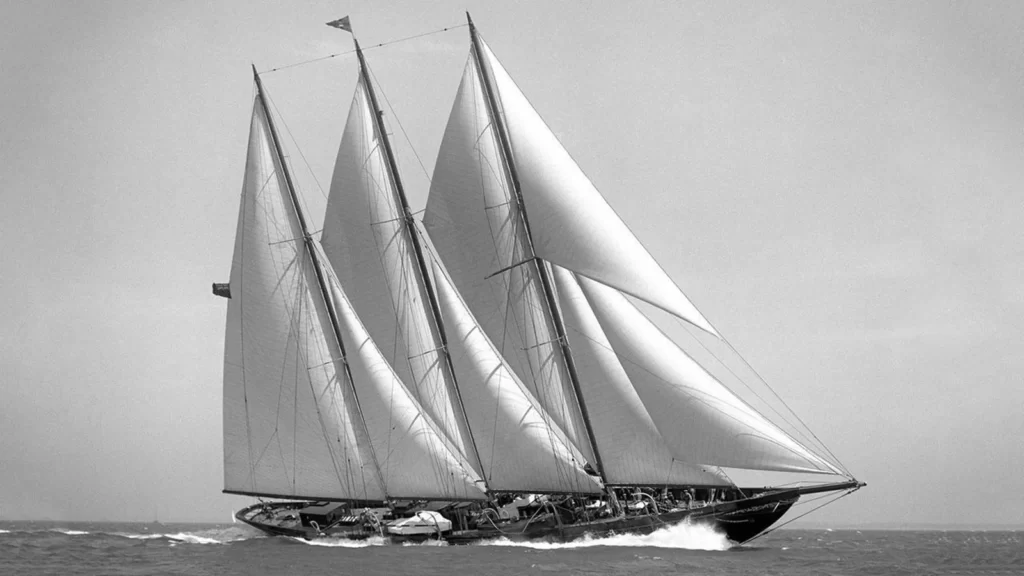
The third owner was Sir Connop Guthrie, who restored the boat to Nicholson’s original design and fulfilled a Cochrane dream of cruising the Mediterranean from Capri to Corsica. The boat even won several regattas in the British Isles in the late 1930s. But in Europe at that time, a war was brewing….
During the Second World War, the British Admiralty requisitioned thousands of yachts. Among them were the largest boats built by the famous Camper & Nicholsons shipyard. Renamed Magic Circle, the Guthrie’s yacht became a minesweeper on the Scottish coast.
After the war, the yacht was taken over by new owners – Greek shipowners who were buying up surplus cargo fleets for pennies. Shipping oligarch Aristotle Onassis bought a Canadian minesweeper for $30,000 and turned it into Christina O, a world-famous motor yacht. Meanwhile, his competitor Stavros Niarchos bought Creole and invested hundreds of thousands in her restoration. She was even featured on the cover of Sports Illustrated in August 1959.
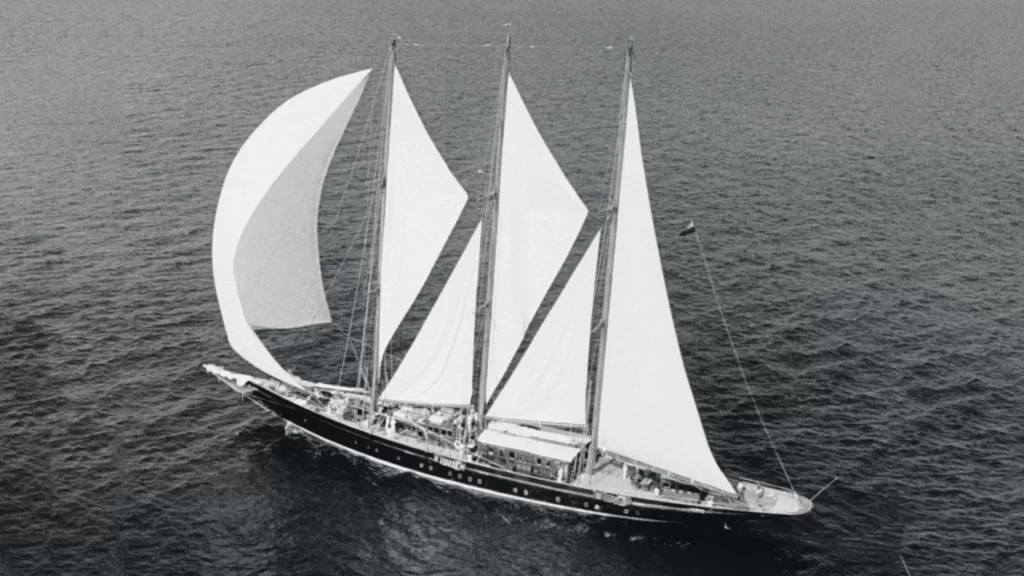
At first glance the yacht looked to have a ‘long life’ under a Greek owner, but this was not to be. According to John Nicholson, the son of a naval architect, Niarchos ‘ruined her’ by driving her too intensively as a motor yacht.
Tragedy in the oligarch’s family also played a role: Niarchos’ first wife died on board from a drug overdose, after which he stopped sailing the yacht. But when his second wife also died of a drug overdose, Niarchos decided to say goodbye to the boat permanently.
In 1977, the Danish Navy purchased Creole for use as a training vessel. The yacht was now used for drug rehabilitation using the naval regime.
The vessel first imagined by Nicholson began to slowly come back to life thanks to an extensive six-year refit at several shipyards: Beconcini in Italy, Lurssen in Germany and Astilleros de Mallorca. Designer Toto Russo recreated an interior reflecting the twenties era by installing period artwork in the six guest cabins.
Happy “life” of a yacht in the Gucci family
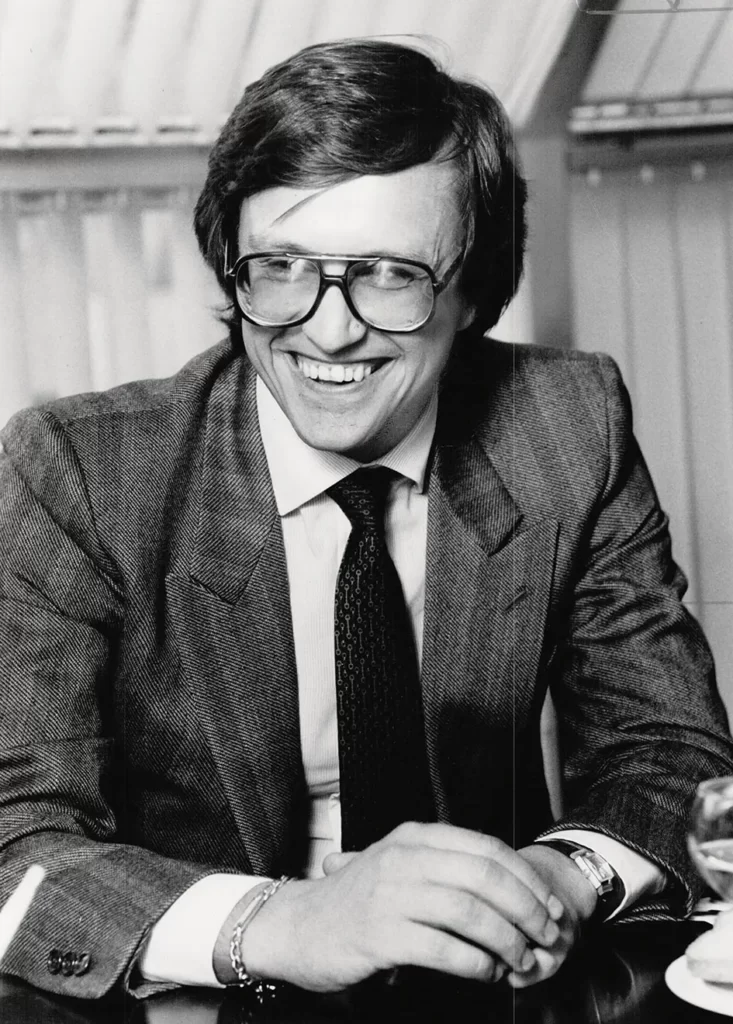
In 1983, the yacht was bought by Maurizio Gucci, the head of the Gucci fashion house.
‘When my father found Creole she was destroyed’ recalls Allegra Gucci, one of Maurizio’s daughters, in a conversation with Robb Report . ‘He just fell in love and wanted to give her a second life.’
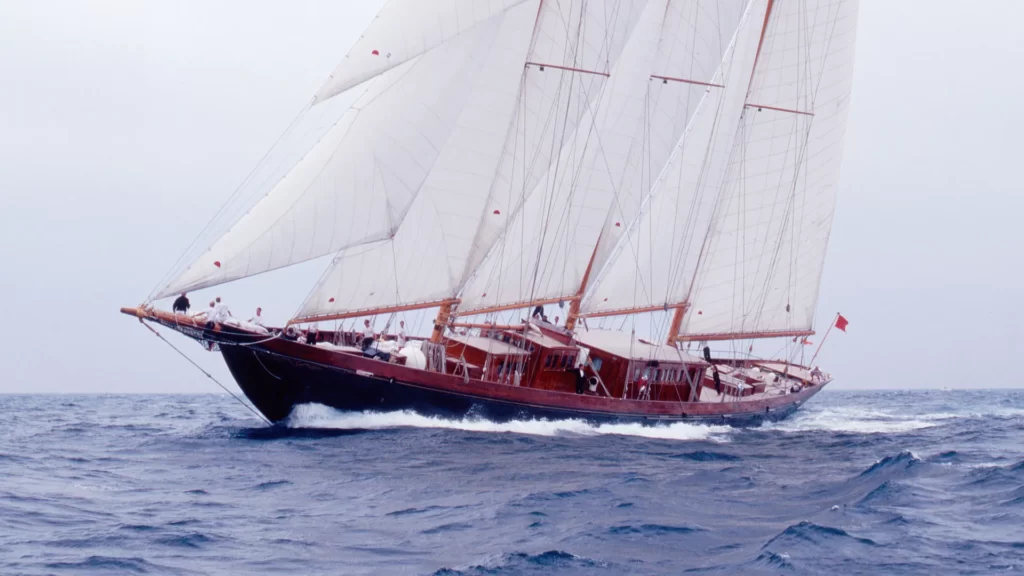
Growing up, Allegra Gucci recalls, the yacht was a place for water fights, running on the teak decks, swallow diving into the ocean, and adrenaline rushes as the yacht raced full throttle across the Mediterranean.
Allegra, who grew up cruising and racing on Creole, believes that the majestic, nearly century-old schooner owes it to the world to present herself at her best. ‘The varnish, the brass, the lights, and the soul of the sailing yacht represent the history of naval architecture’ says Allegra Gucci.
Creole was associated by Allegra Gucci with the summer, yachting season. ‘One summer, we said ‘we’ll just follow the wind,”’ she says. “We went to the Balearic Islands just enjoying the sailing, the wind and the sea. We could be free from everything, sailing day and night.”
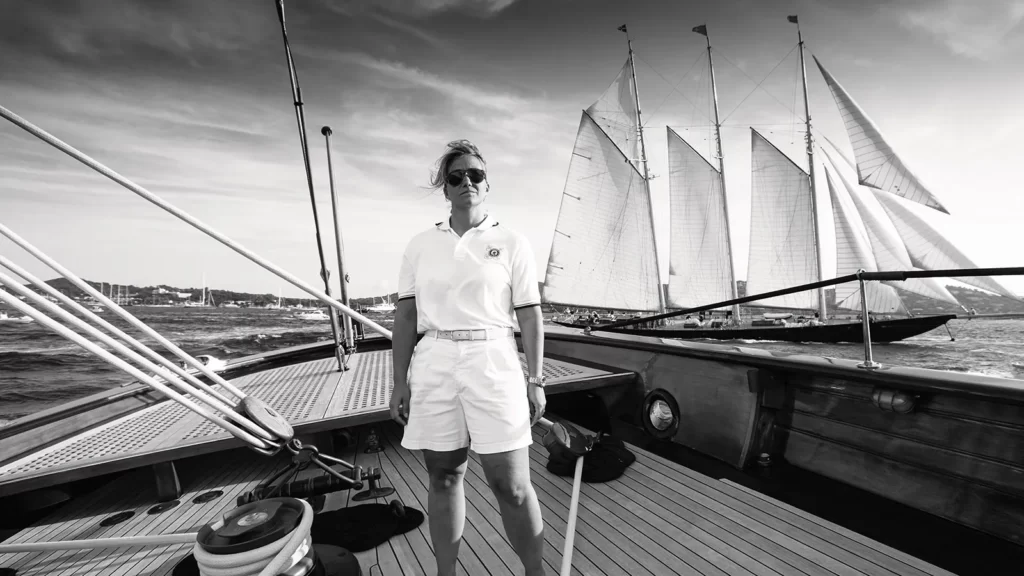
Now a long-time yachtsman, Allegra Gucci learnt to race at the age of 14 at the Monaco Yacht Club, often sharing racing centreboards with her older sister Alessandra. The sisters regularly ran Avel, a 60-foot (18.2 metre) Nicholson yacht, also rescued by her father, with crew, often racing against HRH Prince Albert’s flagship Tuiga.
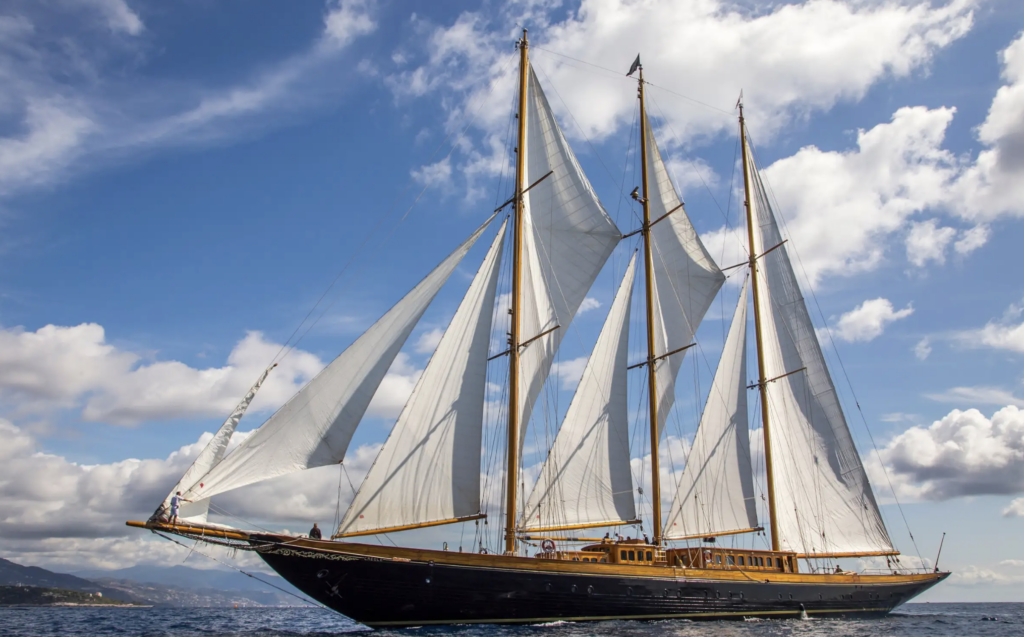
By the way, these incredible sailboats belong to a special class of restored vintage yachts that still race against each other at Cowes Race Week or Monaco Yacht Week.
More about Creole yacht
The 214-foot (65.3 metre) yacht Creole is an incredible giant with a crown of sails and an inky black hull. Creole has a wooden hull and fibreglass superstructure.
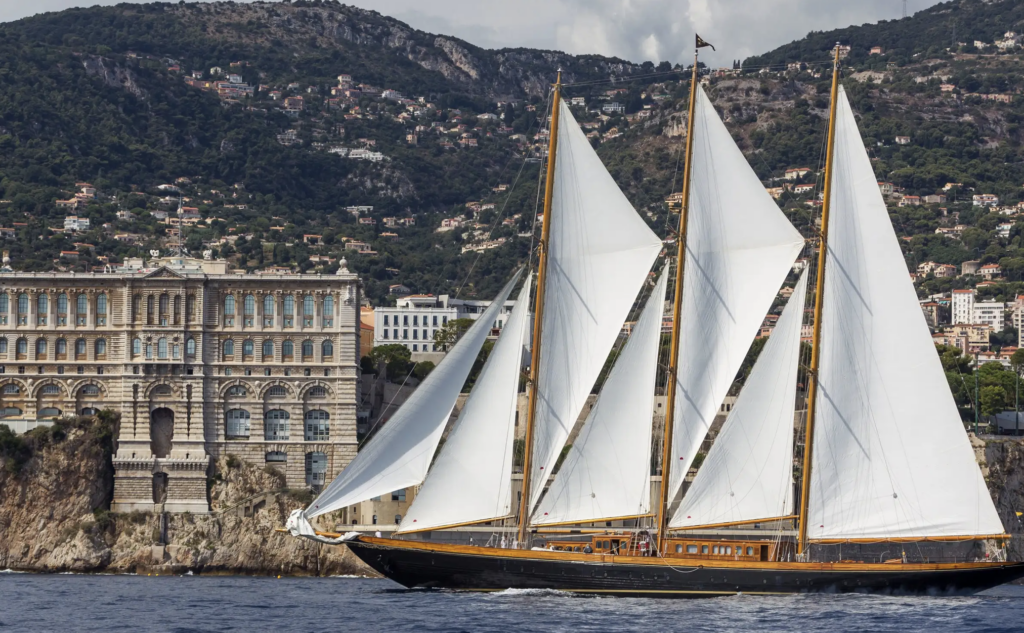
“I remember a day in Saint-Tropez when we had perfect conditions and Creole was sailing in around 17 knots of wind, the cap rail properly in the water. It was one of the most thrilling moments I have experienced in sailing” recalls Allegra Gucci.
Creole was truly designed for fast round-the-world cruising. Creole sails comfortably at 11 knots and her top speed reaches 14 knots.
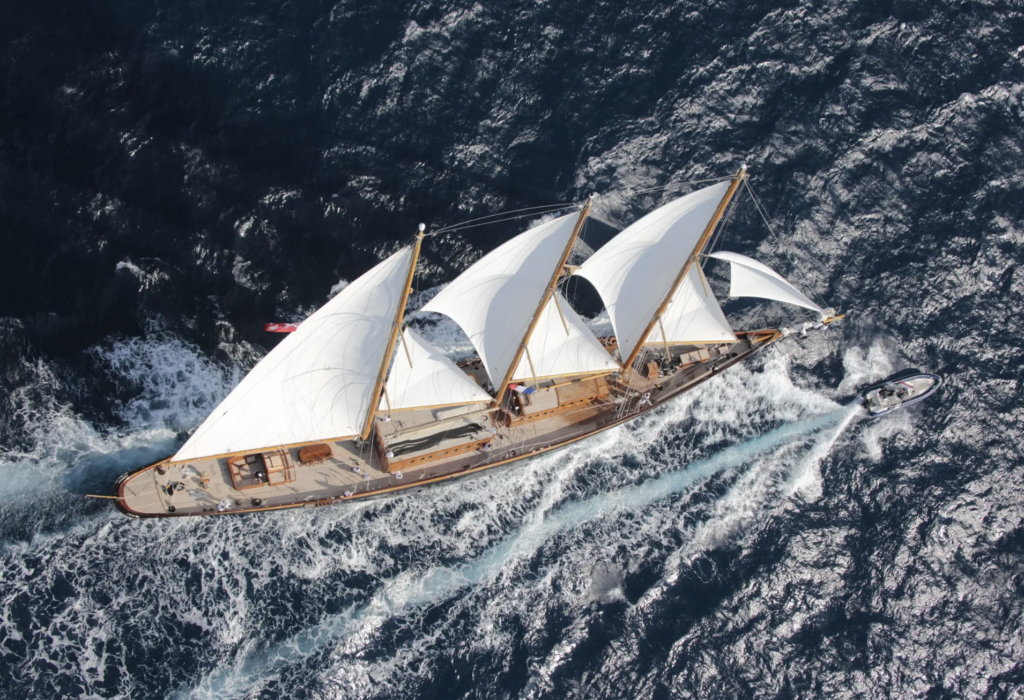
Going full sail, the boat gives the impression of a real monster. ‘With a full set of sails and perfect conditions, the energy the boat has is incredible’ says Allegra Gucci.
The yacht is also equipped with 2 MTU engines.
Creole can accommodate up to 10 guests and 16 crew members, including the captain.
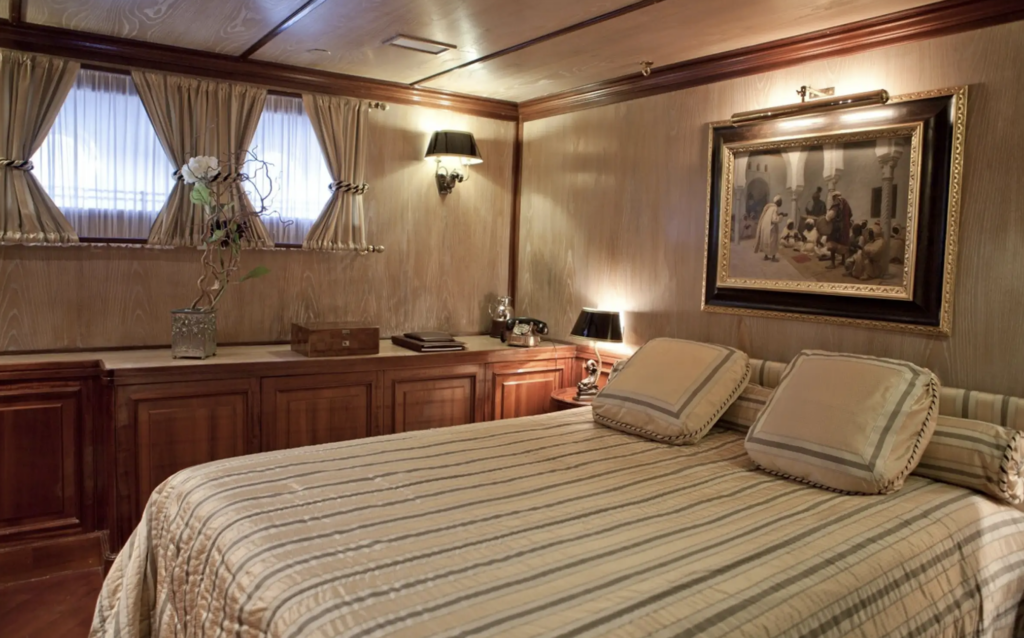
Creole offers guest accommodation in 6 suites comprising a master suite, two double cabins, two twin cabins and one single cabin.
Main photo: Carlo Borlenghi