


The Riedel family has been in the glass business for 300 years, with 11 generations keeping the family business intact.
The company originated in the early 18th century in the northern part of Bohemia- bordering Schlesia – today the Czech republic and Poland respectively. This part of Bohemia was a German-speaking enclave known as the Sudetenland.
Around 1000 AD, the Venetians brought the knowledge of glassmaking from the Middle East. The knowledge of producing glass spread slowly towards the northern part of Europe, searching for energy, critical to the melting of glass. Wood was the source, causing a glassmaker migration to the forests. Due to this migration, a glass culture developed in Bohemia in the 17th century.
In 1678, the founder of the dynasty, merchant Johann Christoph Riedel, started his business by selling the famous Bohemian glass. He traveled all over Europe trading glass, reaching as far as Spain and Portugal. The income from the business justified such dangerous journeys.
Johann Carl, 2nd generation (1701-1781), was a gilder and glass cutter. He operated his own glass refinishing workshop.
Johann Leopold, 3rd generation (1726-1800), made his fortune during the Seven Years’ War (1756-1763), fought between the Austrians and Prussians over Bohemia and Silesia. The demand for window panes needed for rebuilding the surrounding cities and villages destroyed during the war provided Johann the chance to found his first glass factory, which he opened on May 17, 1756. His success was based on his invention of a method to replace stained glass with window panes.

Anton Leopold Riedel, the 4th generation (1761-1821), expanded his father’s business, as well as consolidating and enlarging it. It no longer focused on sheet glass, but rather on luxury goods. This led to the development of new and lucrative sectors: the production of hollow glass and refinement through surface finishing, and the production of chandelier crystal.

Franz Xaver Anton Riedel (1786-1844), 5th generation, was a famous engraver and glass cutter of considerable talent and craftsmanship. He signed his artworks, which are highly sought after at auctions today. He was able, for the first time in history of glass, to melt different colors of glass: two fluorescent colors – yellow and green. These two colors have been recorded in literature as “Anna Yellow” and “Anna Green”, named after his daughter.
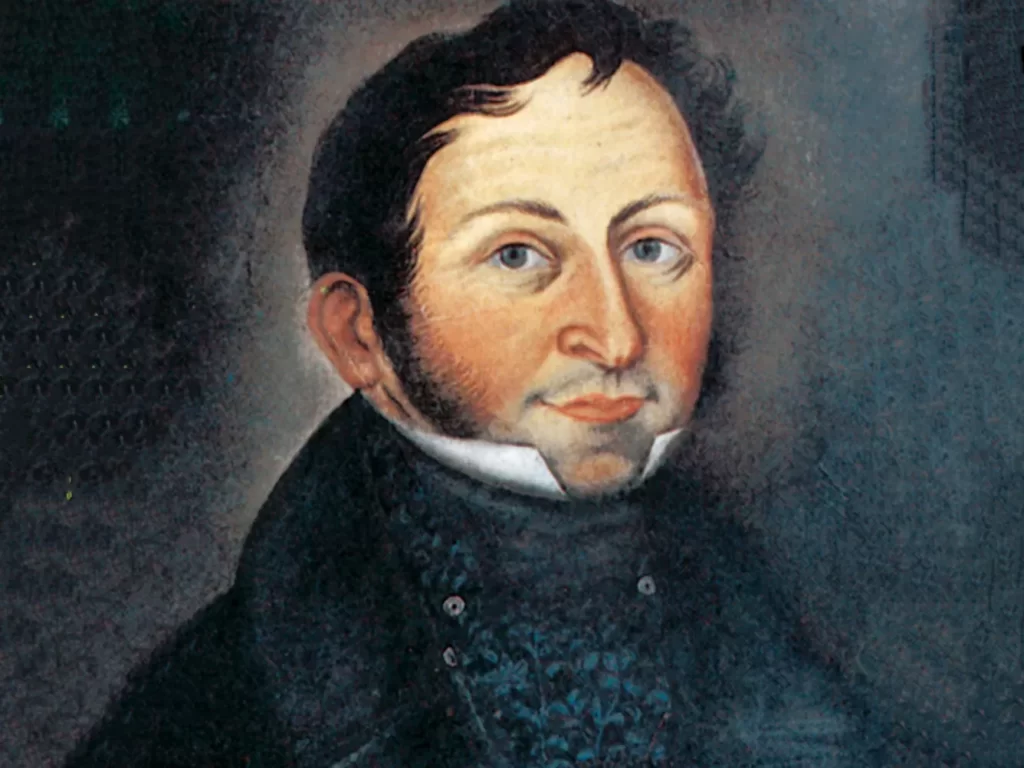
6th Generation Representative: The son of his brother, Josef Riedel, was employed as an assistant at the age of 14. In 1840 at the age of 24 Josef married his cousin Anna, Franz Xaver Riedel’s daughter.
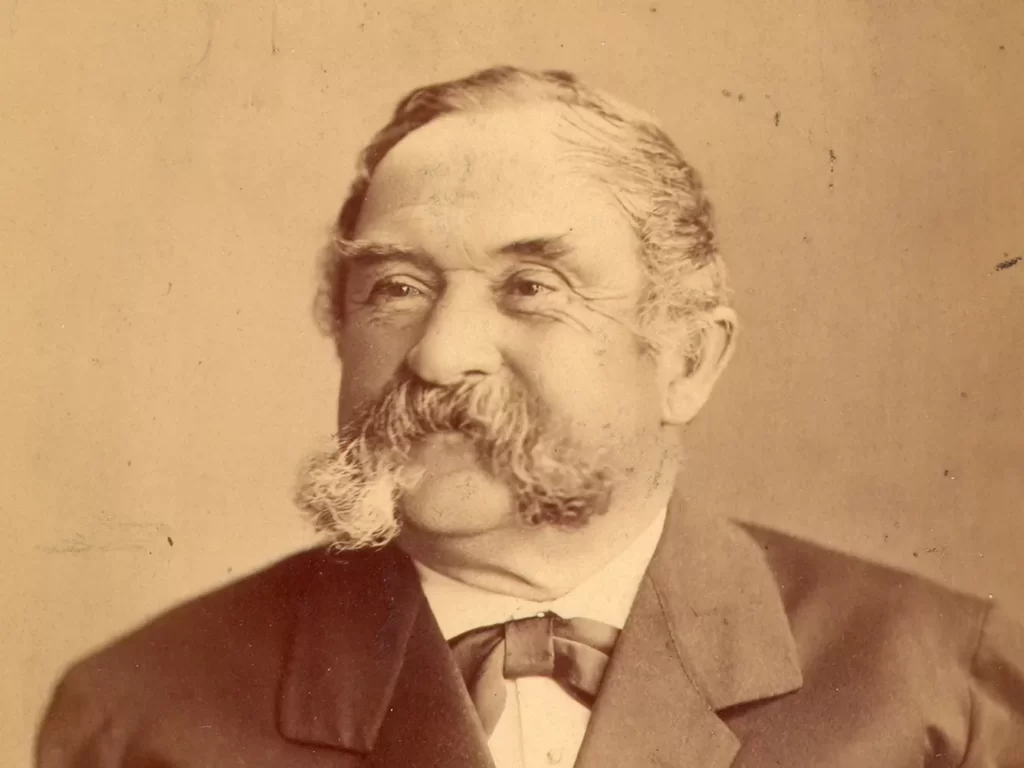
Josef Riedel the Elder (1816-1894) not only showed great talent, but he was also lucky to have lived at the start of the industrial age. He has gone down in history as the “Glass King of the Jizera Mountains”.
Josef Riedel the Elder left the Waldglas works and shifted production to the valley. He took advantage of the newly opened train line in 1875. It provided access to the most important sales markets of the industrialized world and laid the foundations for further expansion of his business.
His first wife Anna died at the age of 36. His son, born in his second marriage to Johanna Clementina Neuwinger, took the Riedel dynasty into the seventh generation.
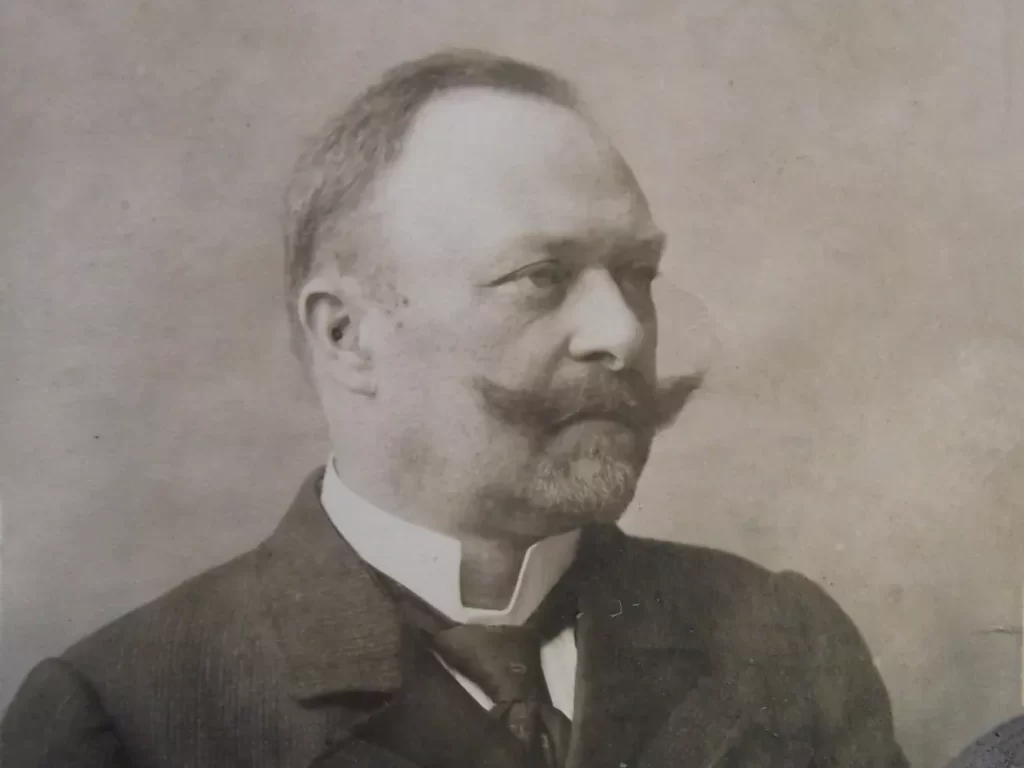
7th generation: Josef Anton Riedel the Younger (1862 – 1924) was a gifted chemist and extremely talented engineer.
In his glassworks 600 precisely defined colors could be melted in order to produce glass beads and gifts. As a mechanical engineer, he developed ways to process and automate the production of glass beads and registered numerous patents for his inventions.
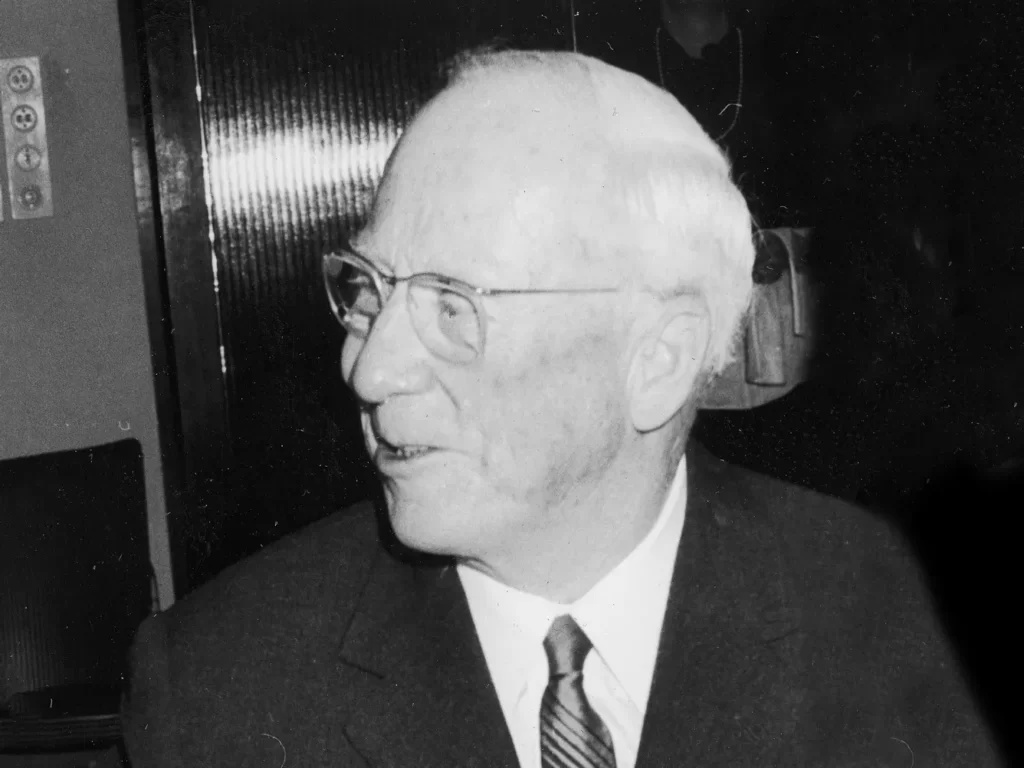
8th generationWalter Riedel (1895 – 1974) inherited his father’s talents. He brought about many technical developments in the glass industry and came up with numerous inventions, such as spinnable glass fibers, signal colors, reflectors, elaborate laboratory glasses and much more.
He steered the company towards technical glass production and in doing so reacted to the needs of the interwar period.
In 1944 the German Ministry of Aviation set up a secret project called “Tonne”, a ground-based system of air reconnaissance using radar. At the time the monitors used for this measured a maximum diameter of 38 cm, however Walter Riedel and his glass engineers were able to double both the dimensions, and as a result also the resolution. They produced a monitor with a diameter of 76 centimeters, a real world discovery at that time.
Walter Riedel recognized the potential of this invention and secured the rights to use the development for civil purposes. However, as a result of the liberation of Czechoslovakia by Russian troops in May 1945, scientist Walter Riedel was arrested and conscripted. This ended the story of the Bohemian Riedel family. After World War II, the family was dispossessed, lost all of their factories and all of their personal assets.
Walter Riedel returned from imprisonment in 1955.
1956 – 200 years after the founding of the first Waldglas works in Bohemia – the new Riedel story was started up in Kufstein, Austria. With the support of the Swarovski family, Walter Riedel and his son Claus took over the ailing Tirol glassworks. A hand-blown glass production firm – as it was before in Bohemia – was established.
Walter Riedel represents both the Bohemian past and the start into a new future in Austria.
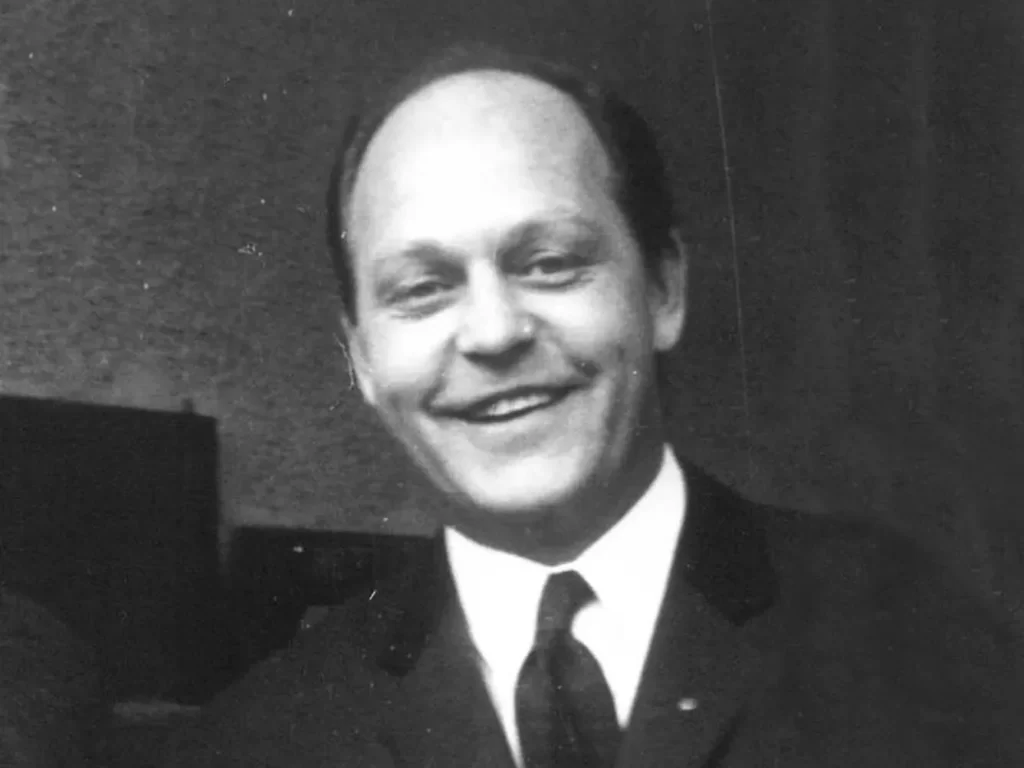
Claus Josef (1925-2004), a member of the 9th generation, was a great visionary. Thanks to his considerable artistic talent and his extraordinary feel for form and proportion, he invented the wine friendly wine glass. This revolutionary move defined him as the “father of the modern wine glass”.
Claus J. Riedel was the first in the history of glass who could determine the interplay between form, size and rim diameter of a glass for the optimal enjoyment of wine.
His glasses had a long stem and smooth, undecorated, thin-blown bowls. In the 1950s and 1960s, they were awarded numerous design prizes. In 1973, his research and ingenuity accumulated to once again turn the name Riedel into a leader in the world of glass: the first line dedicated to wine enjoyment. Today it is known throughout the world as Sommeliers.
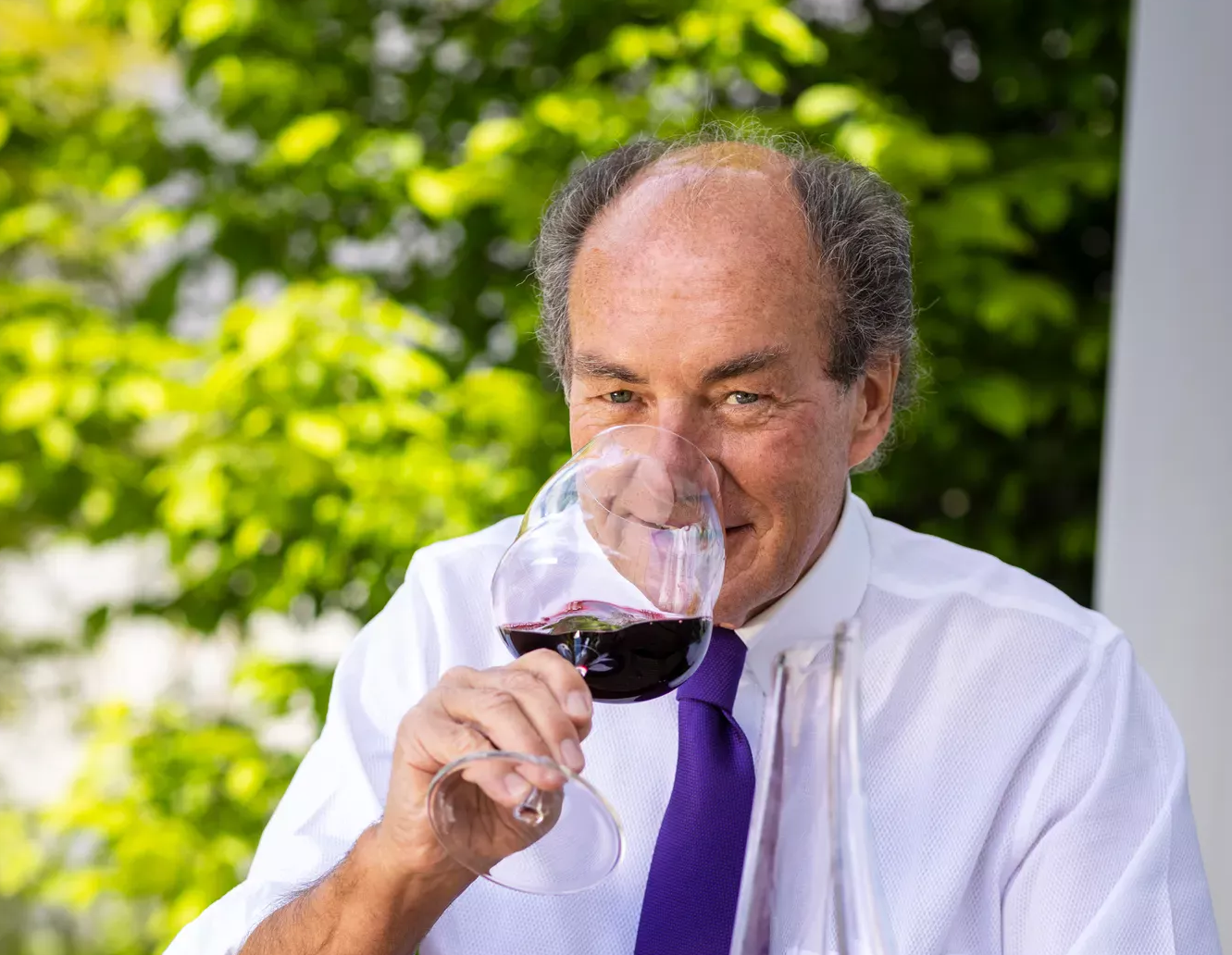
10th generation Georg Josef(born 1949) used his world vision to take RIEDEL glass to global success. In as early as 1979 he recognized the importance of the American market and founded the subsidiary company “Riedel Crystal of America”.
In 1986, he introduced the first ever machine-made glass based on wine varieties – Vinum!
Vinum enabled the RIEDEL brand to turn the philosophy of the functional wine glass, developed by the company, into something affordable and therefore also well-known around the world.
As a means of consolidating the business, Georg Riedel took over the German company, Nachtmann, in 2004, laying the foundations for further growth. Today, RIEDEL has a 97% export rate, confirming their position as world leader in the production of functional glasses.
During his long career as a glassblower and glass designer, Georg Riedel has created many functional glasses, each specifically designed to enhance the drinking experience. As a leading expert on wine glasses for certain varieties of wine, Georg Riedel firmly believes that a carefully selected glass shape enhances the perception of all flavorful beverages.
As the owner of the company, George continues to support his management team on a daily basis. His responsibilities include looking after the North American market, developing new software to improve operations, and improving manufacturing and efficiency of machine-made production in the core RIEDEL factories in Bavaria, Amberg and Weiden.
11th generation Laetizia Riedel- Röthlisberger (born 1974) and Maximilian Josef Riedel (born 1977)

Laetitia is a lawyer and is on the family council. She provides legal advice to the family, companies, RIEDEL headquarters and RIEDEL subsidiaries. Laetitia specializes in commercial law, design protection and copyright, managing the worldwide brands and rights of the Riedel Group.
Maximilian Josef has been with the company since 1997. At the age of 25, he became CEO of Riedel Crystal of America and proved his managerial talent by turning North America into the largest export market for RIEDEL.
In addition to his position as CEO, Maximilian has established himself as an outstanding designer of decanters and glasses worldwide.
In 2001, he initiated RIEDEL’s focus on the HoReCa segment (hotels, restaurants, cafes) by creating the “O” series of stemless wine glasses designed for specific types of wine. He designed RIEDEL’s first handmade free-form Cornetto decanter, which was the beginning of a broad collection of free-form decanters. He has since won awards for the design of his decanters.
Maximilian Riedel was instrumental in developing RIEDEL’s online sales strategy, which has become the brand’s most important sales channel for the “direct-to-consumer” business.
A socially active individual with a passion for bringing people together, he has initiated many valuable partnerships, including working with high-end German manufacturer Miele and various charitable organizations supporting the fight against cancer and HIV/AIDS.
His support of the wine industry spans all regions and countries, continuing the strong relationships with the world’s leading wineries that his father Georg Riedel started.
Early on in the emergence of social media, Maximilian Riedel realized that these platforms allowed him to communicate directly with his consumers. The company now uses Facebook and Instagram to engage in educational and inspiring conversations with consumers, allowing Maximilian to share his family’s heritage and learned knowledge in everyday conversations.
On July 1, 2013, Georg Y. Riedel handed over the management of the Tyrolean Glass Hütte and its worldwide subsidiaries to Maximilian. Since then, he has led the company through challenging times with great success, from a commitment to sustainability to improving safety and efficiency in manufacturing and logistics during the Covid-19 pandemic.
Main photo- Riedel